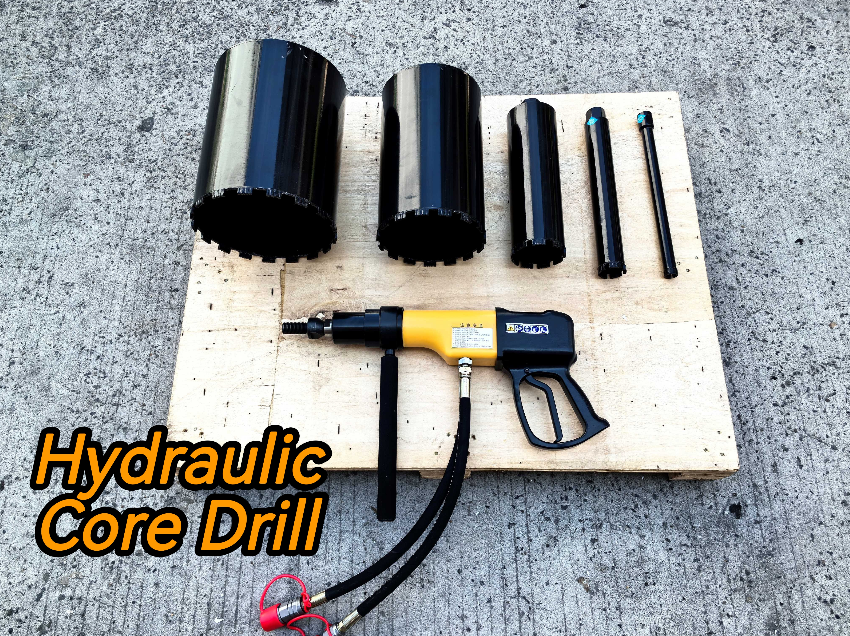
Comprehensive Warranty Coverage for Hydraulic Core Drills
Understanding warranty options ensures your hydraulic core drill operates reliably. Industry standards highlight key differences in coverage to minimize downtime risks.
Standard vs. Extended Warranty Terms and Conditions
Standard warranties typically cover structural components—such as frames and cylinders—for 1–2 years, excluding wear items like seals or hoses (Industry Report 2023). Extended options extend coverage to 3–5 years and often include labor, consumables, and broader component protection, reducing long-term repair costs by up to 30%. Key distinctions include:
| Feature | Standard Warranty | Extended Warranty |
|---|---|---|
| Coverage Period | 1–2 years | 3–5 years |
| Components Covered | Structural parts only | Includes wear items |
| Labor Inclusion | Limited or excluded | Fully covered |
| Common Exclusions | Misuse, unauthorized parts | Similar, with add-on options |
Always review terms for transferability and registration requirements—failure to register within 30 days may void coverage.
Warranty Repair Services: Response Time, Labor, and Parts Inclusion
The majority of manufacturers offer something like 24 to 48 hours onsite support when equipment fails badly enough to qualify under their full coverage warranties. They'll handle all labor costs and throw in authentic replacement components too - think hydraulic pumps, those little seals that wear out so fast, and control valves that just stop working one day. According to some research published last year in Maintenance Journal, this kind of all-inclusive service actually reduces business interruptions by around 40% compared to other methods. Want things fixed quickly? Keep track of how long machines run each day and what they're doing. These records really help speed up the claim process when problems arise.
Factory-Authorized Service and Calibration for Hydraulic Core Drills
Why Factory-Authorized Service Ensures Long-Term Hydraulic Core Drill Reliability
Technicians who work on factory-authorized systems get special training for each specific model type, plus they have access to those fancy diagnostic tools made just for these machines along with genuine OEM parts. When techs stick strictly to the manufacturer's recommended repair procedures, it stops all sorts of bad fixes that can actually wear out equipment faster over time. Looking at actual data from the field, machines maintained solely by authorized service centers tend to last anywhere between 30 to maybe even 50 percent longer compared to stuff fixed by outside shops. And here's something important for business owners to remember: if proper authorization isn't maintained during servicing, warranties often become void. That means companies risk losing protection on their expensive investments and facing denied insurance claims down the road.
Precision Calibration and Validation for Critical Applications
Getting hydraulic core drills right for structural tests means they need to be calibrated down to the millimeter. Most factory authorized service centers use equipment certified under ISO/IEC 17025 standards to keep things tight on both torque and rotation speeds, usually within about half a percent either way. This kind of precision matters a lot when doing bridge checks, looking at building foundations, or working on earthquake retrofits. When these machines aren't properly calibrated, they end up producing all sorts of different core samples which makes it hard to assess how strong structures really are and often leads to having to do the whole thing again. All proper calibrations come with documentation trails so companies can prove they met those important standards like ASTM D1403 and ACI 301 during audits.
Preventive Maintenance Programs Tailored to Hydraulic Core Drills
Scheduled Maintenance Plans: Uptime Benefits and ROI Evidence
When companies stick to regular maintenance schedules rather than waiting for breakdowns, they create much more stable operations across their equipment lifespan. The numbers back this up too - fixing problems after they happen can cost businesses around five times what proper maintenance would have cost according to research from the Ponemon Institute last year. That's why many smart operators now schedule routine checks where technicians look at things like fluid quality, replace filters before they clog, and inspect seals regularly. These simple steps stop common issues like contamination buildup, pressure drops, and heat damage which are actually responsible for most hydraulic failures during core drilling operations. Contractors who implement these preventive measures typically see their hydraulic parts last about 25% longer while cutting unexpected downtime by roughly 17%. For medium sized drilling firms, those improvements mean protecting nearly $740,000 worth of annual productivity gains. And interestingly enough, better planning cuts down on labor costs by about 30% compared to scrambling during emergencies all while maintaining the same level of accuracy and keeping workers safe on site.
Parts, Training, and Technical Support for Hydraulic Core Drill Operators
Global Parts Inventory: Fast Turnaround and Cross-Model Compatibility
Global parts hubs located strategically around the world make sure we can ship high wear components like drill rods, hydraulic seals and bit adapters within the same day across North America, Europe, Middle East and Africa, as well as Asia Pacific regions. When engineers standardize products across different lines, about 85 percent of hydraulic manifolds, torque assemblies and control modules become interchangeable. This kind of compatibility actually helps extend how long older equipment lasts before needing replacement, plus makes upgrading much easier. The result? Lead times drop below 48 hours on average, which means projects don't get held back when parts are running low in stock.
Onsite and Digital Training for Safe, Efficient Hydraulic Core Drill Operation
Good training for operators really cuts down on accidents and makes drilling operations run smoother overall. The best programs mix hands-on coaching at the worksite with online training that covers things like managing hydraulic pressures, knowing when to hit emergency stops, and picking the right drill bits depending on what kind of rock they're working through. Real world testing shows that crews who go through proper training typically finish their drilling jobs about 22 percent quicker than those without it, plus there's less wear and tear on all those expensive hydraulic systems. Many companies now use virtual reality setups where workers practice making tough calls when unexpected problems pop up underground or equipment starts acting up. This helps build that instinctive reaction time before anyone ever sets foot on an actual job site. For continued support, most programs offer video help sessions where technicians can troubleshoot issues remotely. If they still can't figure something out, senior engineers step in usually within just four workdays to get things sorted.
FAQ
What is the main advantage of an extended warranty for hydraulic core drills?
An extended warranty provides coverage for 3-5 years and often includes labor, consumables, and additional component protection, reducing long-term repair costs by up to 30%.
Why is factory-authorized service important for hydraulic core drills?
Factory-authorized service ensures technicians follow recommended repair procedures using specialized training, tools, and OEM parts, leading to equipment lasting 30-50% longer and maintaining warranty validity.
How does precision calibration affect hydraulic core drill operations?
Precision calibration ensures consistent core sample production for critical applications like bridge checks and building foundation assessments, meeting important standards like ASTM D1403 and ACI 301 during audits.
What are the benefits of preventive maintenance for hydraulic core drills?
Preventive maintenance improves equipment stability, increases hydraulic part lifespan by 25%, reduces unexpected downtime by 17%, and saves costs compared to emergency repairs.
How does global parts inventory benefit hydraulic core drill operations?
Global parts hubs ensure quick shipping of high-wear components within the same day, reducing lead times and preventing project delays when parts run low in stock.
Table of Contents
- Comprehensive Warranty Coverage for Hydraulic Core Drills
- Factory-Authorized Service and Calibration for Hydraulic Core Drills
- Preventive Maintenance Programs Tailored to Hydraulic Core Drills
- Parts, Training, and Technical Support for Hydraulic Core Drill Operators
-
FAQ
- What is the main advantage of an extended warranty for hydraulic core drills?
- Why is factory-authorized service important for hydraulic core drills?
- How does precision calibration affect hydraulic core drill operations?
- What are the benefits of preventive maintenance for hydraulic core drills?
- How does global parts inventory benefit hydraulic core drill operations?