Define Project-Specific Trash Pump Requirements Early
Match flow rate, solids handling capacity, and power source to site conditions and project phases
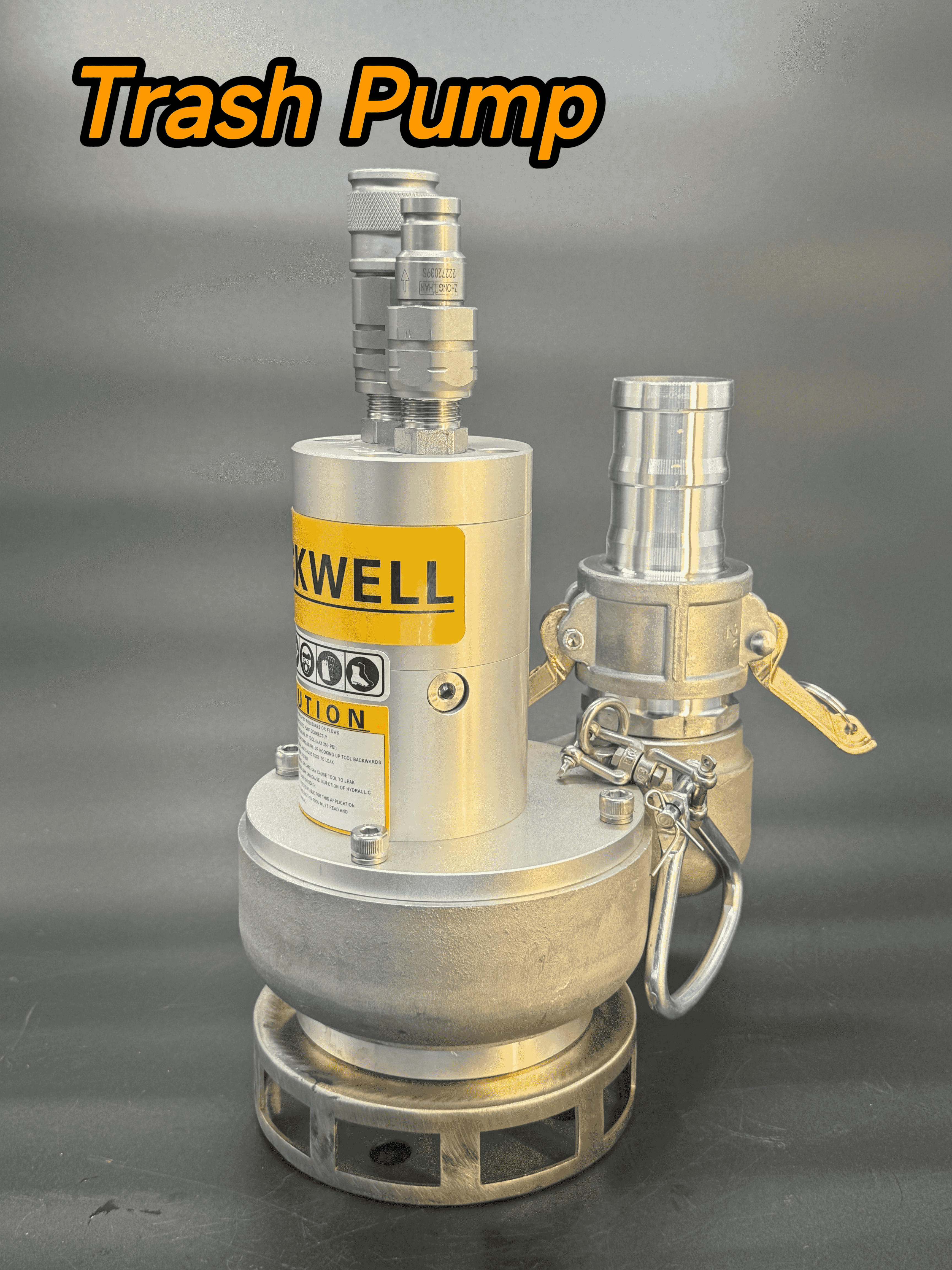
Getting the right size for trash pumps means matching three main factors against what's actually happening at each job site. The flow rate, measured in gallons per minute (GPM), needs to be higher than what's required during peak water removal times. But don't forget about those friction losses that happen when water moves through pipes and hoses. For solids handling, most pumps handle particles between half an inch and three inches across. A good rule of thumb is to go about 25% bigger than the largest debris expected to avoid getting stuck. When it comes to power options electric, diesel, or hydraulic the choice depends on what's available onsite and how mobile the operation needs to be. Small diesel pumps work well in city digs where crews need to move equipment around often. Big trailer mounted diesels are better for mining operations far from any electrical grid. According to numbers from the Construction Equipment Association, jobs that skip proper pump sizing end up with almost 38% more unexpected stoppages because of pump problems.
Case study: Modular trash pump arrays for rapid dewatering in a confined urban tunnel project
A dense metropolitan tunnel excavation faced persistent groundwater seepage and severe spatial constraints. Contractors deployed a phased, purpose-built solution:
- Phase 1: Three 4" diesel-powered trash pumps with 2" solids handling installed at shaft entrances
- Phase 2: Compact electric submersible units deployed in inner tunnel sections during concrete pouring
-
Phase 3: High-head pumps configured for final extraction at 160 ft vertical lift
This modular strategy processed 18,000 gallons per hour through highly abrasive, debris-laden water reducing total dewatering time by 22 days. The staged power approach also cut fuel consumption by 34% compared to oversized single-pump alternatives.
Co-Engineer Custom Trash Pump Enclosures for Real-World Durability
Designing for abrasion resistance, corrosion protection, and space-constrained deployment
Construction site trash pumps take a real beating from all sorts of harsh conditions including gritty slurries, chemicals, and constant mechanical pounding. To combat this, custom built enclosures need to incorporate tough materials like AR400 steel liners in areas where wear happens fastest. Field tests show these upgrades can actually double the lifespan of equipment in aggregate dewatering situations. When it comes to fighting corrosion, the best bet is often an epoxy-polyurethane coating mix. These coatings stand up well against the acidic runoff from mines and saltwater problems common in coastal construction projects. Space constraints matter too. Modular panels that bolt on make all the difference for maintenance work in cramped tunnel boring setups where regular housing just won't fit. One big tunnel company reported cutting down pump replacement time by about a third when they switched to low profile enclosures with built-in slide rails, completely doing away with the need for cranes during swaps. Getting these basics right abrasion protection, corrosion resistance, and smart space usage keeps those critical dewatering operations running smoothly instead of grinding to a halt.
Establish Transparent Collaboration Protocols for On-Time Trash Pump Delivery
Using shared digital workspaces, iterative prototyping, and joint risk management
Good customization really requires disciplined teamwork rather than mere coordination between departments. Digital platforms now serve as central hubs where CAD models sit alongside material specs and test results, allowing everyone from engineers to procurement folks and field crews to stay updated in real time. The process of iterative prototyping works best when companies mix computer simulations with actual physical prototypes. This approach catches mechanical issues much earlier, saving money that would otherwise go down the drain during production runs. When teams get together regularly for risk management discussions, they tend to spot problems specific to each project site before they become major headaches. Think about things like unpredictable supplier delays, transportation holdups caused by bad weather, or sudden changes in slurry chemistry. Five top tier civil contractors implemented weekly meetings across different functions back in 2023, and this cut down decision making time by roughly 34 percent overall. As a result, critical dewatering equipment shows up at job sites already properly calibrated, comes with all necessary certifications, and is basically ready to start working right away without any last minute fixes.
Select a Trash Pump Partner with Proven Customization Expertise
Choosing the right trash pump makes all the difference when it comes to keeping schedules on track and controlling long term costs, which means finding a manufacturer with real world experience is absolutely essential. Look for companies that have actually built pumps capable of handling flows over 5,000 gallons per minute, managing solid waste larger than three inches, and adapting power systems for harsh conditions. Think about oilfields needing explosion proof motors or diesel engines tuned for mountainous regions where oxygen levels drop. Check out their portfolio of past work to see if they've tackled similar challenges before, like creating corrosion resistant models for mines dealing with acidic water or special mountings that reduce vibrations on offshore rigs. A recent industry report from 2023 found that teams working with these kinds of specialized manufacturers saw around 40 percent fewer breakdowns during crucial project stages. Don't stop at the specs sheet either. Make sure they can run simulations digitally and build working prototypes pretty quickly, maybe within two weeks. Also important: do they have qualified techs who know how to service exactly what you need? And will replacement parts be available for at least seven years down the road? These practical considerations matter just as much as any spec sheet number.
Key Selection Criteria:
- Field Validation: Require evidence of deployments matching your project's abrasion/corrosion severity e.g., AR400-lined enclosures in quarry dewatering or epoxy-coated impellers in brackish coastal tunnels
- Prototyping Agility: Partners should deliver validated digital simulations and physical mock-ups within two weeks not "as needed" or "upon request"
- Lifecycle Support: Verify technician certifications for your exact configuration, not just generic models and confirm regional spare parts inventory for your site location
FAQ Section
What factors should be considered when sizing a trash pump?
Key factors include the flow rate, solids handling capacity, and power source availability. The pump should handle more than the required peak flow rate and ideally, be 25% larger than the expected largest debris.
Why are custom trash pump enclosures recommended?
Custom enclosures use durable materials like AR400 steel and corrosion-resistant coatings, extending the life of the equipment. They are also designed to fit into space-constrained environments.
How can collaboration improve trash pump delivery schedules?
Using digital workspaces and iterative prototyping can aid in real-time updates and early mechanical issue detection. Regular risk management meetings can anticipate and mitigate potential delays.
What should be looked for in a trash pump partner?
Choose partners with proven experience in handling large flows and solid waste management. They should offer rapid prototyping, digital simulations, and have a strong support infrastructure.