
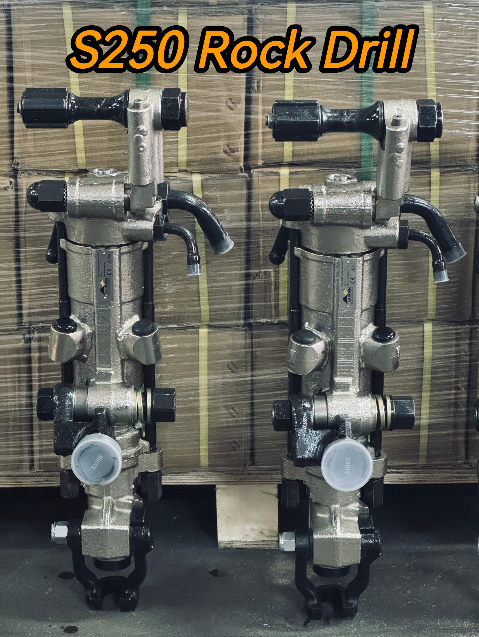
Standard Warranty Coverage for Mining Rock Drills
Core Components Protected: Drill Steel, Hydraulic Systems, and Control Modules
Most standard warranties for mining rock drills target those expensive parts that keep the whole operation running smoothly. The drill steel, which basically holds everything together under pressure, gets protection against material problems as long as it's used within normal operating pressures. Manufacturers also cover hydraulic components like valves and pumps, plus all those electronic control parts including sensors and controllers if they fail because of factory defects. According to industry reports from Mining Equipment Journal last year, around 70% of all warranty cases come down to issues with just these three main areas, which shows how critical they are for keeping machines reliable over time. Worth noting though, typical coverage doesn't extend to things that wear out fast like drill bits or other expendables, even though those might seem important at first glance.
- Cylinder misalignment resulting from casting defects
- Sensor failures in control interfaces
- Seal leaks caused by substandard alloy composition
Duration Terms: 2 Years or 8,000 Engine Hours—What ‘Active Use’ Really Means
The warranty runs until either two years pass or the machine hits 8,000 recorded engine hours, whichever comes first. When we talk about "active use," we mean actual drilling time when everything's running properly. Time spent idling, warming up, or during maintenance doesn't count toward this total. This setup works for different ways people use equipment. Some rigs that run nonstop might reach those 8,000 hours within just 18 months, whereas machines used occasionally will get the full two years of protection. Most manufacturers track these hours through built-in telemetry systems. For the warranty to stay valid, operators need to make sure they can prove:
- Proof of scheduled maintenance per OEM guidelines
- Temperature and pressure logs confirming operation within specified parameters
- Note that 85% of denied claims stem from incomplete or missing usage documentation (Global Warranty Report 2024)
Common Warranty Exclusions and Why They Apply to Rock Drills
Wear Parts (Bits, Buttons, Lubricants): Engineering Limits vs. Operational Expectations
Most warranties don't cover things that naturally wear out over time like drill bits, carbide buttons, and lubricants since these parts degrade in pretty much the same way every time they're used. Take rock drill bits as an example. They usually last between about 20 thousand to 50 thousand impacts before breaking down completely. How long they actually last depends a lot on what kind of rock they're drilling through too. Hard stuff like granite or quartzite really takes a toll on them because those rocks rank 7 or higher on the Mohs scale. The reason manufacturers leave these items out of warranty coverage has to do with basic material science principles rather than just making things up as they go along.
- Bits/buttons: Carbide erosion is inherent during abrasive drilling; coverage applies only to premature failure due to metallurgical defects, not expected wear.
-
Lubricants: Thermal degradation accelerates above 140°F (60°C); claims are voided if operating temperatures exceed this threshold without mitigation.
Crucially, warranties define “failure” as a defect—not performance decline from routine wear. Contractors often expect replacement after ~300 drilling hours, but warranty eligibility hinges on root-cause evidence—not elapsed time.
Material Fatigue in Drill Steel vs. Seals: A Science-Based Coverage Boundary
The differences in coverage for drill steel versus seal failures come down to materials science basics. When drill steel develops tiny surface cracks from constant stress cycles like those 20k psi hits over and over again, insurance typically won't cover this because it's considered progressive material fatigue. That just happens naturally over time according to how these materials behave under pressure. Seals tell a different story though. If an investigation finds out exactly why a seal failed, then coverage usually stays intact.
- Non-fatigue origins, such as chemical corrosion from acidic groundwater (pH <4.5) or installation errors.
-
Early rupture, occurring before 5,000 operating hours—well below industry-predicted lifespan thresholds.
This boundary ensures warranties address verifiable manufacturing flaws—not inevitable physical degradation. Supporting this, research shows 78% of drill steel-related claims involve stress fractures exceeding design limits, not material defects.
Actions That Void the Rock Drill Warranty
Unauthorized Repairs, Non-OEM Modifications, and Aftermarket Hydraulic Upgrades
Rock drills represent complex engineering feats that must follow original equipment manufacturer specs pretty closely. When someone tries fixing them without proper certification or swaps out parts that aren't genuine OEM components, they're basically ignoring all those safety checks and performance standards built into the system. This kind of tinkering raises the chances of hydraulic problems down the line and can weaken the whole structure over time. Many folks try upgrading their hydraulics themselves, particularly messing with pressure valves or pump systems, but these modifications often push beyond what the factory designed for. The result? Excessive strain builds up in the drill steel and control components that weren't meant to handle it. Most manufacturers won't honor warranties if unauthorized changes have been made since this essentially alters how the equipment is supposed to operate according to its certification. To keep warranty protection intact, companies need to stick strictly with genuine parts and let only certified technicians handle maintenance work.
Neglect of Maintenance Schedules and Documented Misuse Patterns
Skipping scheduled maintenance significantly accelerates component degradation: improper lubrication alone reduces hydraulic system service life by up to 40% (Equipment Longevity Journal 2023). Similarly, documented misuse—such as extended operation beyond 8,000 engine hours without inspection or ignoring seal replacement intervals—leaves detectable anomalies in telematics and fluid analysis logs. These include:
- Persistent high-temperature spikes correlating with seal degradation
- Particulate contamination signatures indicating neglected filtration
Manufacturers routinely cross-reference maintenance records with failure diagnostics to identify systemic neglect—automatically invalidating associated claims. Consistent adherence to OEM service schedules remains the most effective, low-effort safeguard against warranty voidance.
FAQ
What components are typically covered under standard mining rock drill warranties?
Standard warranties often cover essential components such as drill steel, hydraulic systems, and control modules. These elements are crucial for the drill's performance, and warranties protect against defects or failures in these parts.
Why are wear parts like drill bits not included in standard warranties?
Wear parts such as drill bits degrade naturally with use. Their exclusion from warranty coverage is due to predictable material degradation during operations, which does not fall under manufacturing defects.
How can operators maintain their rock drill warranty?
To maintain a warranty, operators must adhere to scheduled maintenance, use genuine OEM parts, avoid unauthorized repairs, and ensure thorough documentation of operations and conditions.
What actions can void a rock drill warranty?
Unauthorized repairs, use of non-OEM parts or modifications, neglect of maintenance schedules, and failing to document usage can void a rock drill warranty.
What is considered 'active use' in terms of warranty terms?
'Active use' refers to the actual drilling time when the machinery is operational. It excludes idle time or maintenance periods.
Table of Contents
- Standard Warranty Coverage for Mining Rock Drills
- Common Warranty Exclusions and Why They Apply to Rock Drills
- Actions That Void the Rock Drill Warranty
-
FAQ
- What components are typically covered under standard mining rock drill warranties?
- Why are wear parts like drill bits not included in standard warranties?
- How can operators maintain their rock drill warranty?
- What actions can void a rock drill warranty?
- What is considered 'active use' in terms of warranty terms?