
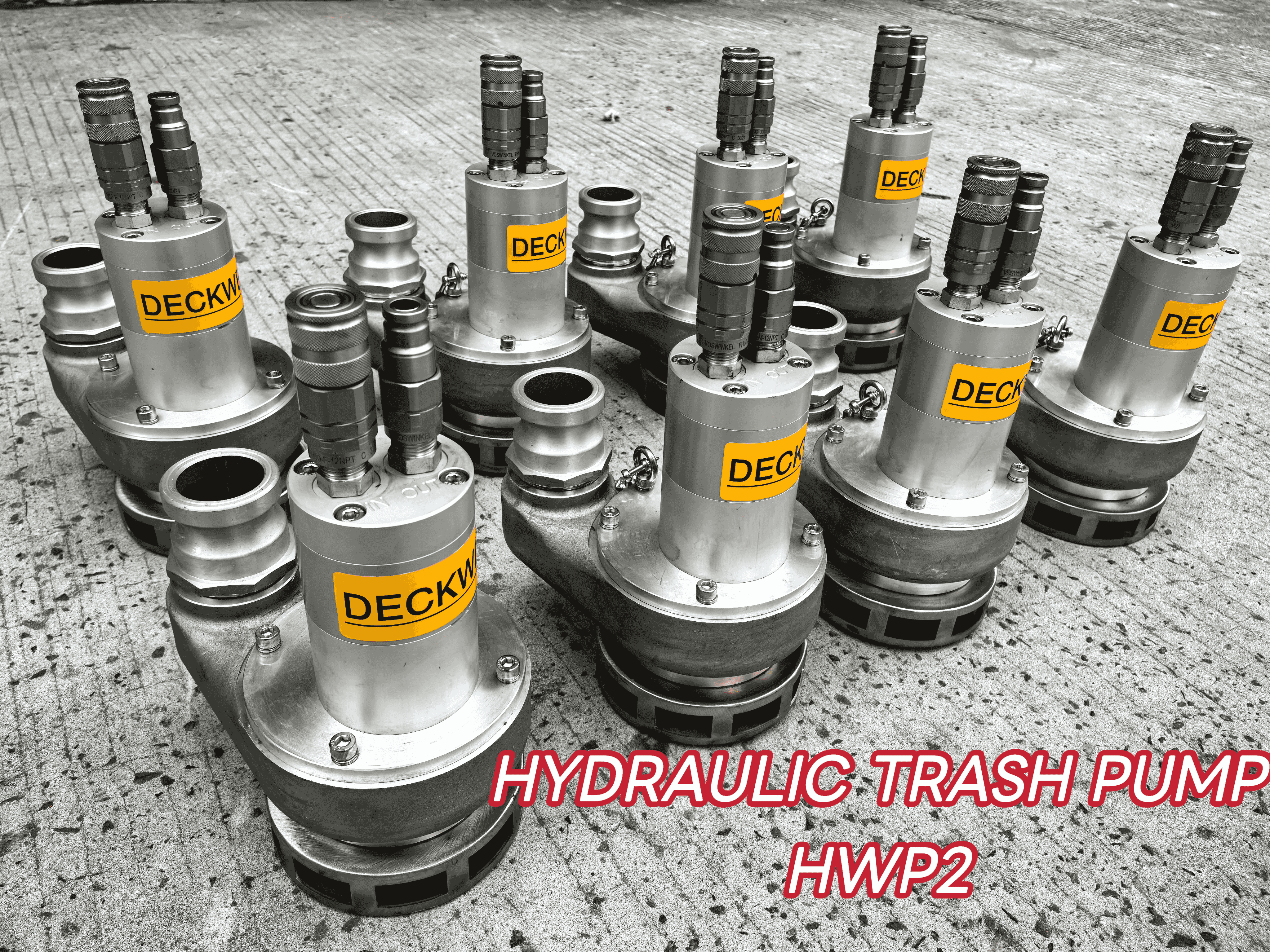
Why Trash Pumps Are Essential for Construction Site Sewage and Dewatering
Core function: Moving sewage, sludge, and debris-laden water safely off-site
Trash pumps have been designed specifically for moving tough stuff like sewage, sludge, rocks, and all sorts of organic junk out of construction sites. Standard dewatering pumps just can't cut it here because trash pumps come equipped with special non-clogging impellers and toughened volutes that can actually handle solid material up to about 3 inches across. That makes these pumps absolutely essential whenever there's an excavation site full of gritty sediment and construction debris lying around. The ability to move this stuff quickly isn't just good practice either. It helps meet those important OSHA safety rules and keeps things in line with EPA guidelines too. When contaminated water builds up, it creates dangerous conditions on site. Quick removal means fewer slips and falls, stops pests from breeding in stagnant sewage pools, and most importantly keeps projects moving according to schedule without delays.
Critical distinction: Trash pumps vs. standard dewatering pumps in solids handling
Standard dewatering pumps fail catastrophically when encountering solids—their narrow flow paths clog instantly with common site debris like gravel or wood fragments. Trash pumps overcome this limitation through three key design advantages:
- Solids passage: Impeller clearances of 1–3 inches (versus <0.5 inches in standard models)
- Abrasion resistance: Cast iron or hardened steel components engineered to withstand sand, concrete slurry, and grit
- Seal protection: Shaft seals shielded against fibrous materials commonly found in raw sewage
These features enable uninterrupted operation in environments where conventional pumps would stall within hours—or require constant manual clearing.
Key Selection Criteria for Construction-Grade Trash Pumps
Solids-handling capacity: Matching pump passage size (1–3 inches) to site debris profile
A trash pump’s effectiveness hinges on aligning its solids-passage size with the site’s actual debris composition. For example:
- Gravel- and concrete-heavy sites require ≥2-inch passage capacity
- Organic-rich sewage with sanitary waste performs reliably with ≥1.5-inch passage
Undersized units clog on rocks, wood chips, or hygiene products—causing delays and safety risks. Oversized pumps increase fuel consumption and operational costs without added benefit. Conduct a brief site audit to characterize waste type and volume before finalizing selection.
Durability essentials: Abrasion-resistant materials for sand, gravel, and organic sewage
Construction-grade trash pumps must endure highly abrasive conditions. Critical durability features include:
- Impellers and volutes made of hardened cast iron or chromium alloys to resist wear from sand and concrete slurry
- Stainless steel shafts that resist corrosion from acidic organic sewage
- Silicon carbide mechanical seals proven to maintain integrity in silty, abrasive conditions
Equipment durability studies show pumps lacking these features fail 47% faster in gravel-intensive dewatering—underscoring why abrasion resistance should outweigh initial cost savings.
Top Trash Pump Types for Sewage and Sludge Applications on Active Sites
Centrifugal Trash Pumps: High-Flow Workhorses for Moderate Solids
On construction sites dealing with lots of sewage and water mixed with debris, centrifugal trash pumps have become the go-to option for moving big volumes around. These pumps work through impeller suction and can handle about 600 gallons per minute, even when there are solid particles as big as two inches floating around. What makes them stand out is their open impeller design that keeps sand, gravel, and all sorts of organic stuff from getting stuck inside. That's why contractors love these pumps for major dewatering jobs during excavations or managing stormwater runoff where speed matters more than dealing with thick, sticky substances. Just keep in mind though, if faced with really thick sludge or those pesky long stringy fibers that get tangled easily, these pumps might struggle beyond what their specs allow for solid passage.
| Pump Size | Flow Range (gpm) | Max Solids Handling | Primary Use Cases |
|---|---|---|---|
| 2-inch | 150–200 | 1-inch | Light flooding, small sites |
| 3-inch | 300–400 | 1.5-inch | General dewatering, irrigation |
| 4-inch | 500–600 | 2-inch | Industrial waste, heavy flooding |
Submersible and Grinder Trash Pumps: For Viscous Sewage and Compact Urban Sites
For tight urban spaces or dealing with really thick sewage full of fibers, submersible trash pumps equipped with built-in grinders are practically indispensable. These completely underwater units cut up rags, plastic bits, and even sanitary products right there in the water before moving everything along. This lets them handle sticky sludge that would stop regular centrifugal pumps dead in their tracks. When installed straight into manholes or sump pits, these pumps do away with the need for those annoying suction hoses while taking up less room above ground and making less noise too something that matters a lot on crowded construction sites. The motors are sealed so they can stay submerged all day long, which works great for jobs like cleaning out septic tanks or removing water from areas with heavy buildup. Most of these pumps move between 80 to 150 gallons per minute, but what really sets them apart is how well they deal with tough solid materials that normal pumps just can't handle at all.
Performance and Practicality: Sizing Trash Pumps for Real-World Construction Demands
Flow rate, head height, and horsepower: Aligning specs with site scale and discharge distance
Selecting the right trash pump requires precise alignment of three interdependent specifications:
- Flow rate (GPM): Determine required capacity based on sewage volume and schedule urgency—small sites may need only 150–200 GPM; large excavations often demand 500+ GPM systems.
- Total dynamic head (TDH): Calculate vertical lift plus equivalent friction loss—every 10 feet of horizontal discharge pipe adds ~1 foot of head pressure. Underestimating TDH causes premature pump fatigue.
- Horsepower (HP): Ensure sufficient power to sustain both flow and head under real-world load—including sludge density and debris abrasion. Industry data shows pumps sized 10–15% above minimum requirements reduce failure rates by 32% during peak operation.
Trailer-mounted vs. portable units: Trade-offs in mobility, power, and setup time
Construction teams must weigh operational priorities when choosing between portable and trailer-mounted trash pumps:
- Portable units (<100 lbs) deliver rapid repositioning across tight urban sites but typically max out at 3-inch solids passage and 150 GPM—powered by 5–10 HP engines. Deployment takes under 5 minutes.
- Trailer-mounted systems, while requiring flatbed transport and 30+ minutes of setup, support industrial-duty components—handling 4-inch solids at 600+ GPM with 15–25 HP engines. Hydraulic stabilizers and precise hose alignment add complexity but enable sustained high-output performance.
Field experience confirms trailer pumps deliver 45% higher continuous runtime for large-scale sewage transfer, whereas portable units cut downtime by 60% during multi-zone dewatering—highlighting how application context dictates optimal configuration.
FAQ Section
What are trash pumps used for?
Trash pumps are designed for moving sewage, sludge, rocks, and organic debris from construction sites quickly and safely, adhering to OSHA and EPA guidelines.
How do trash pumps differ from standard dewatering pumps?
Trash pumps have larger impeller clearances and are made with abrasion-resistant materials, allowing them to handle solid materials up to 3 inches, unlike standard dewatering pumps whose narrow flow paths clog easily.
What types of trash pumps are best for construction sites?
Centrifugal trash pumps are ideal for high-flow dewatering jobs, while submersible and grinder trash pumps are suitable for handling viscous sewage in compact urban sites.
What should be considered when sizing a trash pump for a construction site?
Key factors include flow rate, total dynamic head, and horsepower to align with site scale, discharge distance, and the type and volume of debris.