
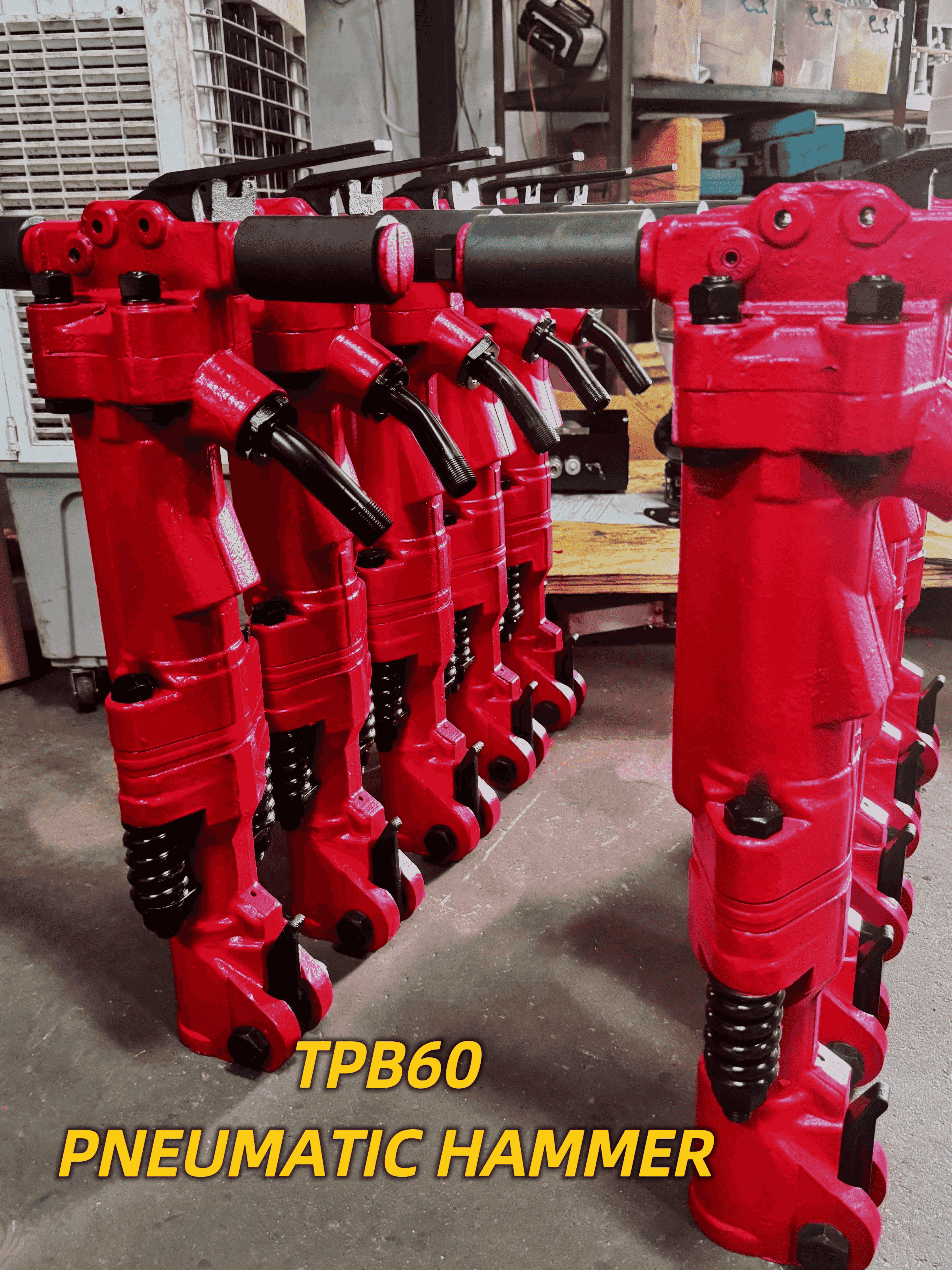
Robust Construction: Material Science Behind Pneumatic Breaker Reliability
Forged Steel Housings and Heat-Treated Impact Components
Pneumatic breaker durability starts with some serious metal work behind the scenes. The steel housing gets treated with controlled quenching and tempering processes to find that sweet spot between being hard enough to last and tough enough to handle stress without breaking apart completely when used for things like tearing down old buildings in cities. For parts that take the brunt of the action, manufacturers apply carburization techniques which basically means making those surfaces super resistant to wear while keeping the inside flexible enough not to snap under pressure. This helps maintain consistent performance even after countless impacts against concrete and stone. According to field reports from construction sites across North America, equipment built using these materials stays operational around 9 out of every 10 times it's needed for ongoing infrastructure work projects.
Corrosion-Resistant Coatings for Urban and Utility Environments
In municipal environments, equipment faces constant exposure to corrosive agents such as de-icing salts and underground chemicals. Multi-stage surface treatments protect against degradation:
- Electrolytic deposition forms zinc-nickel alloy barriers with over 720 hours of salt spray resistance
- Epoxy-polyester hybrid powders provide durable, impact-resistant encapsulation
- Cathodic protection systems actively suppress electrochemical corrosion
These coatings extend service life by 3.5 times in demanding settings like wastewater treatment plants and coastal roadworks. By preventing pitting corrosion, a common cause of hydraulic system failure, they ensure long-term reliability in contaminated environments.
Low-Maintenance Design: Maximizing Uptime in Municipal Operations
Sealed Lubrication Systems Reducing Downtime by Up to 37%
Sealed lubrication systems keep out moisture, dust and all sorts of chemicals that tend to get into equipment at city construction sites. These systems last about three times longer between services than regular open systems, which means fewer unexpected breakdowns and repairs. The automatic greasing feature keeps things protected even when temperatures swing from really cold (-20 degrees) all the way up to hot summer days (around 50 degrees Celsius). No need for workers to manually check or add grease during operation. Studies show this can cut down on lost time by roughly 37 percent. Considering how much money cities lose each year due to maintenance delays – somewhere around 740 thousand dollars according to Ponemon research from 2023 – investing in these sealed systems makes good business sense for keeping important infrastructure projects moving forward without unnecessary interruptions.
Tool-Free Bit Retention and Modular Valve Assemblies
Field-swappable components enable rapid repairs without workshop support:
- Zero-tool bit replacement uses spring-loaded collars to secure chisels, eliminating lost fasteners during sidewalk repairs
- Modular valve cartridges can be replaced in under 8 minutes, even during a lunch break
- Standardized subassemblies reduce spare parts inventory needs by 60%
This modular design cuts mean repair time (MTTR) by 45% compared to welded units and allows for easy component upgrades. Crews maintain momentum during pavement removal or trenching, avoiding delays associated with technician callouts.
Consistent Performance Across Municipal Substrates and Conditions
Stable Energy Transfer in Asphalt, Concrete, and Mixed-Use Surfaces
Pneumatic breakers keep delivering solid impact power across all sorts of city materials because of their specially designed air valves. Workers find they can crack old concrete just as easily as they break apart asphalt or slice into those tough composite mixes with embedded rebar. What makes these tools stand out is their direct drive system that automatically tunes the pounding rhythm. This means no wasted energy and definitely no annoying stalls that plague older equipment. Crews appreciate how they don't have to stop and adjust settings when switching between different materials mid-job. For contractors racing against deadlines, this consistency translates to real money saved and projects completed right on schedule instead of running behind.
Vibration Reduction Technologies Enhancing Operator Safety and Equipment Longevity
Modern pneumatic breakers integrate multi-stage vibration dampening systems that reduce operator exposure to harmful oscillations by 60% compared to older models. Key elements include:
- Counterbalance pistons that neutralize harmonic frequencies
- Polymer-isolated handles to absorb shock
- Dynamic dampers within the percussion mechanism
Lower vibration levels decrease musculoskeletal strain and the risk of white-finger syndrome, improving safety compliance during extended operations like curb or storm drain repairs. Reduced stress on internal components also extends equipment lifespan by up to 40%.
Ergonomic Engineering: Operator-Centric Reliability for Daily Urban Use
Optimized Weight-to-Power Ratio in Sub-25 kg Pneumatic Breaker Models
When working in cramped city environments, keeping operators from getting exhausted matters a lot. The newer pneumatic breakers weighing less than 25 kilograms strike just right between having enough punch and being easy to carry around. By using lighter materials and shrinking down the overall size, these tools can still crack through concrete but don't beat up the body as much. Workers who tested them noticed about a third less soreness after pulling eight hour days compared to those old heavy machines they used before. This means better control over what they're doing when digging trenches for utilities or tearing up sidewalks, since tired hands make mistakes.
Anti-Kickback Mechanisms and Balanced Center-of-Gravity Design
Sudden kickback during asphalt fracturing poses serious safety risks. Advanced breakers address this with two integrated solutions:
- Hydraulic cushioning systems that absorb sudden kinetic spikes
- Precision mass distribution positioning the center of gravity close to the operator's grip
This dual approach reduces kickback incidents by up to 40% and enhances control on uneven or vertical surfaces. The balanced design allows single operators to manage the tool effectively in dense pedestrian areas, ensuring safety and efficiency during sidewalk or storm drain repairs.
FAQ
What is the purpose of applying carburization techniques in pneumatic breakers?
Carburization techniques in pneumatic breakers are used to make the surface areas super resistant to wear while keeping the inside flexible enough to avoid snapping under pressure.
How much can sealed lubrication systems reduce downtime?
Sealed lubrication systems can reduce downtime by approximately 37%, which translates into fewer unexpected breakdowns and repairs.
What advantages do tool-free bit retention and modular valve assemblies offer?
Tool-free bit retention and modular valve assemblies provide rapid repairs without the need for workshop support, reducing mean repair time and allowing easy component upgrades.
Why are vibration reduction technologies important in pneumatic breakers?
Vibration reduction technologies are essential because they reduce operator exposure to oscillations, decreasing musculoskeletal strain, preventing white-finger syndrome, and improving overall equipment longevity.