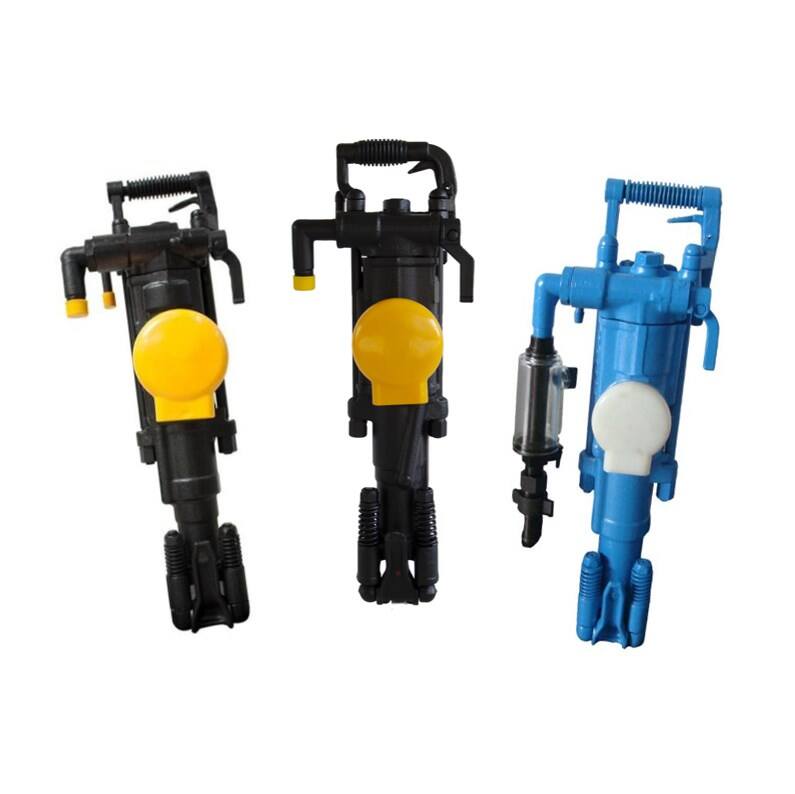
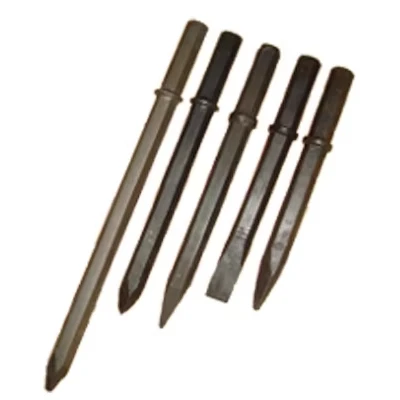
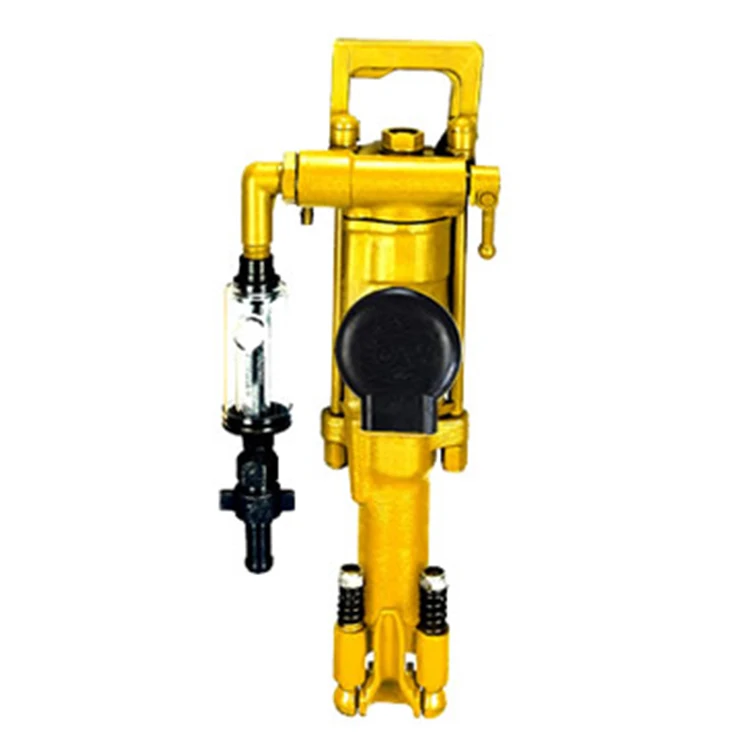
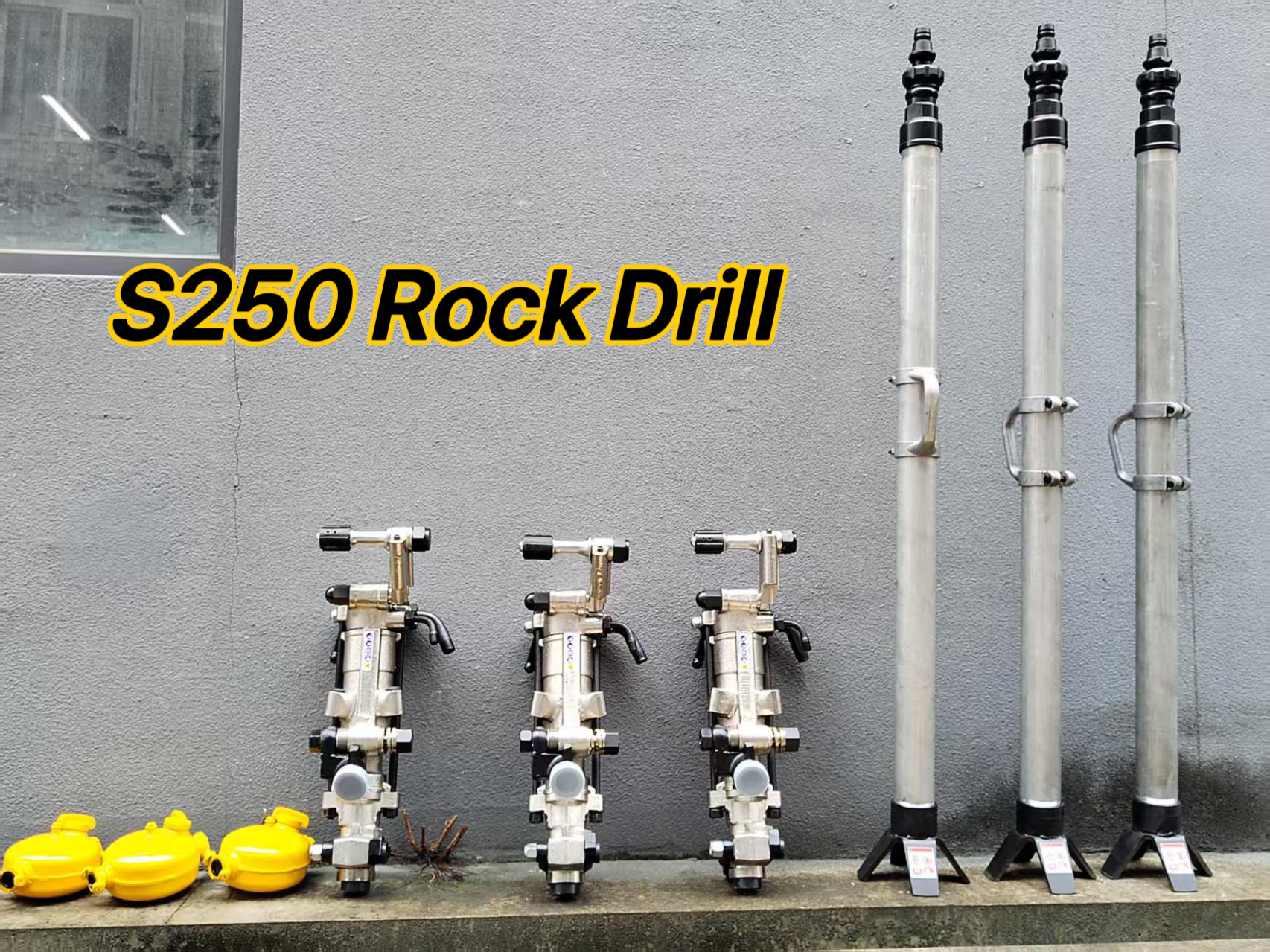
Air leg rock drills are designed to address the demands of rock drilling in various industries, providing a combination of power, precision, and ease of use. The drill operates by using compressed air to activate a hammer mechanism that delivers repetitive impacts to the drill bit, while the air leg provides feed force to advance the drill into the rock. This integrated approach reduces operator fatigue and increases drilling efficiency, particularly in hard formations. The equipment features ergonomic handles, vibration damping, and lightweight materials for improved handling. In mining, air leg drills are utilized for drilling blast holes in development headings or for rock bolting in roof support systems. For example, in a silver mine, the adoption of air leg drills for production drilling led to a 18% reduction in drilling costs due to longer bit life. In civil engineering, such as rock excavation for foundations, the drills allow for accurate drilling in confined spaces. A case study from a bridge project showed a 30% increase in drilling accuracy for anchor holes, ensuring structural integrity. Railway applications include drilling for track fastenings in rock or for tunnel ventilation holes. In public works, the drills are used for drilling water well holes in rocky areas or for archaeological digs. For disaster recovery, such as after rockslides, they enable rapid clearance of obstructions. Technical specifications to consider include impact energy, leg thrust capacity, and air consumption, which affect performance and operating costs. Maintenance includes inspecting the drill's chuck, lubricating the leg cylinder, and using clean, dry air to prevent damage. For remote locations, portable compressors and spare parts kits are recommended. We offer a range of models to suit different needs; contact us for assistance in selecting the right drill and for after-sales support.