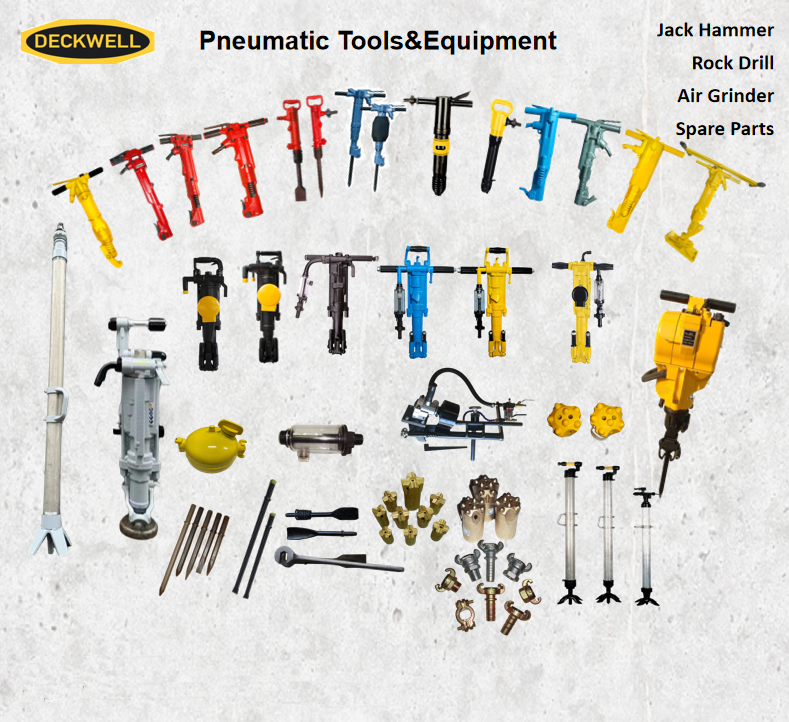
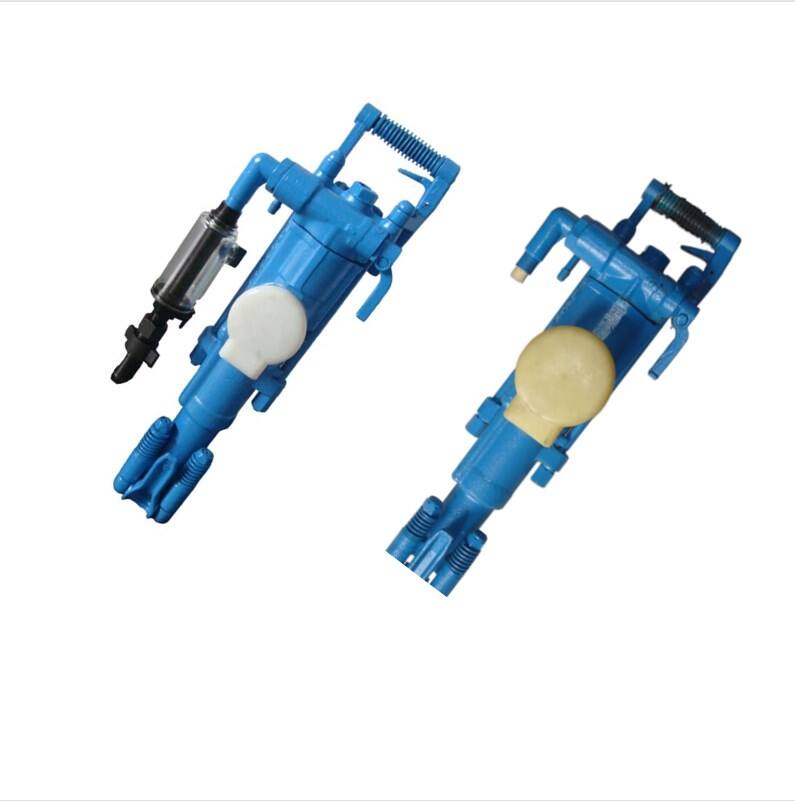
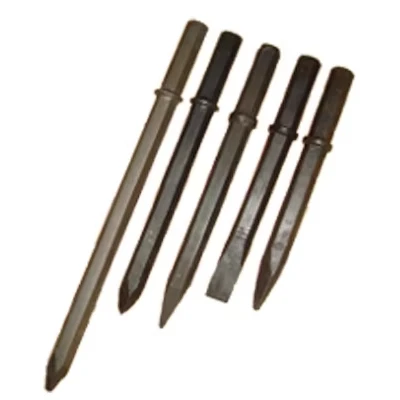
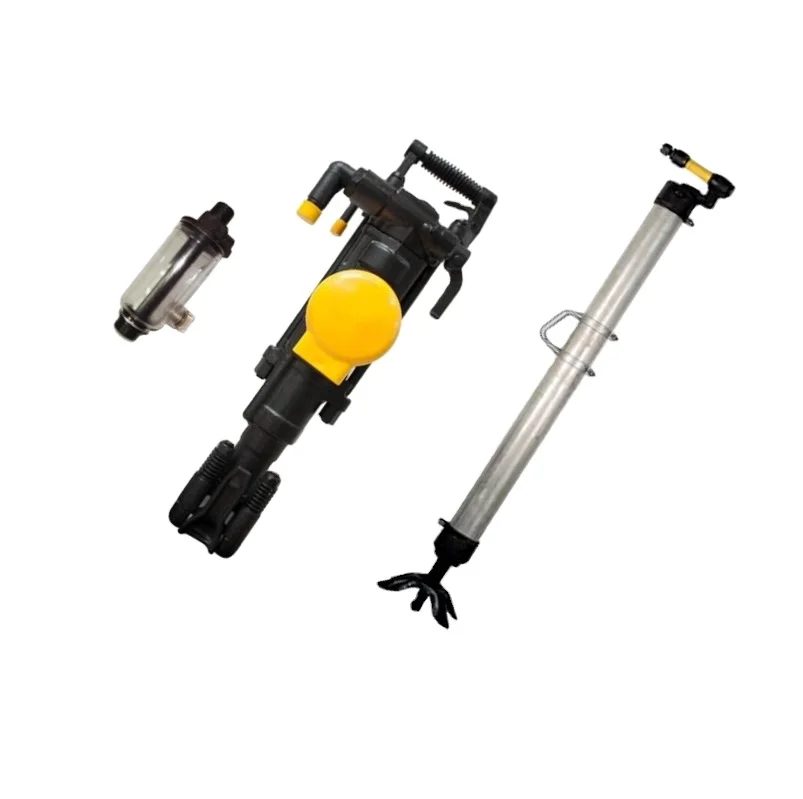
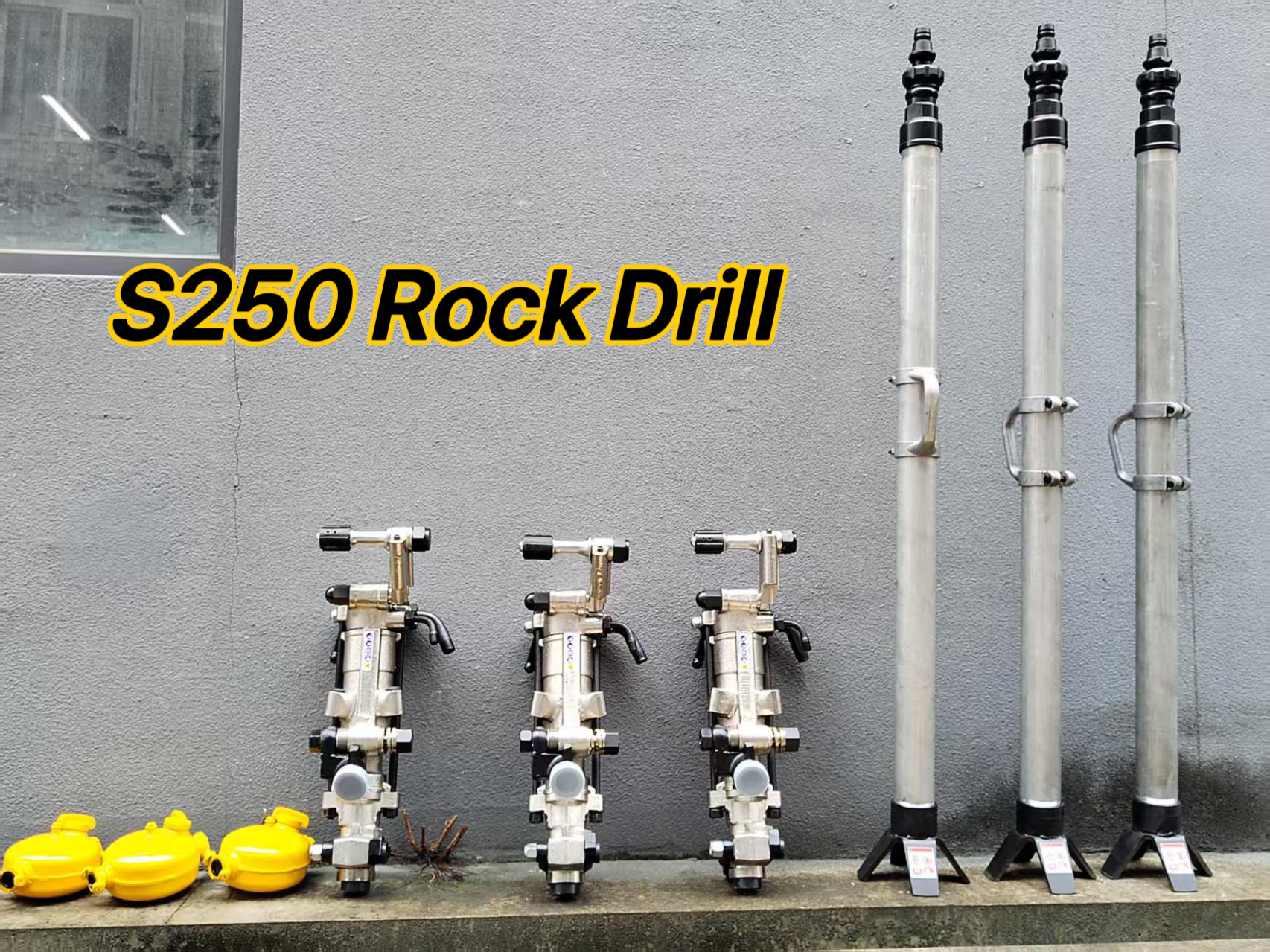
Air leg rock drills are pivotal in achieving efficient rock drilling where space and accessibility are constraints, offering a synergy of impact power and stabilized feed. The drill operates by using compressed air to activate a piston that delivers blows to the drill bit, fracturing the rock, while the air leg applies forward pressure to ensure continuous bit engagement. This reduces operator effort and enhances drilling speed, particularly in hard formations like basalt or granite. The equipment is designed with safety features such as dead-man switches and anti-rotation guards to prevent accidents during operation. In mining, air leg drills are utilized for secondary breaking, prospecting, or drilling charge holes in narrow veins. For instance, in a coal mine, they enabled efficient drilling for roof support bolts in low-seam sections, improving safety compliance. In tunneling, these drills are used for contour drilling to shape tunnels or for installing rock bolts in unstable zones. A case study from a water diversion tunnel project highlighted a 28% improvement in drill steel life due to the reduced vibration from the air leg system. Construction applications include drilling for anchor systems in rock slopes or for foundation pilings in rocky terrain. In public works, the drills assist in drilling for utility tunnels or rock-cut drainage channels. For disaster recovery, such as after rockslides, they provide a means to clear pathways or stabilize hazardous rock faces. Technical specifications to consider include impact energy (e.g., 60-100 J), air consumption (e.g., 70-110 CFM), and leg stroke (e.g., 1-2 meters), which should match the rock hardness and hole depth needs. Maintenance involves monitoring air quality, replacing worn leg seals, and storing the equipment in dry conditions to prevent rust. For projects with limited air supply, high-efficiency models optimize output per unit of air. To explore our product lineup and receive guidance on implementation, please contact us for a detailed consultation and site-specific recommendations.