
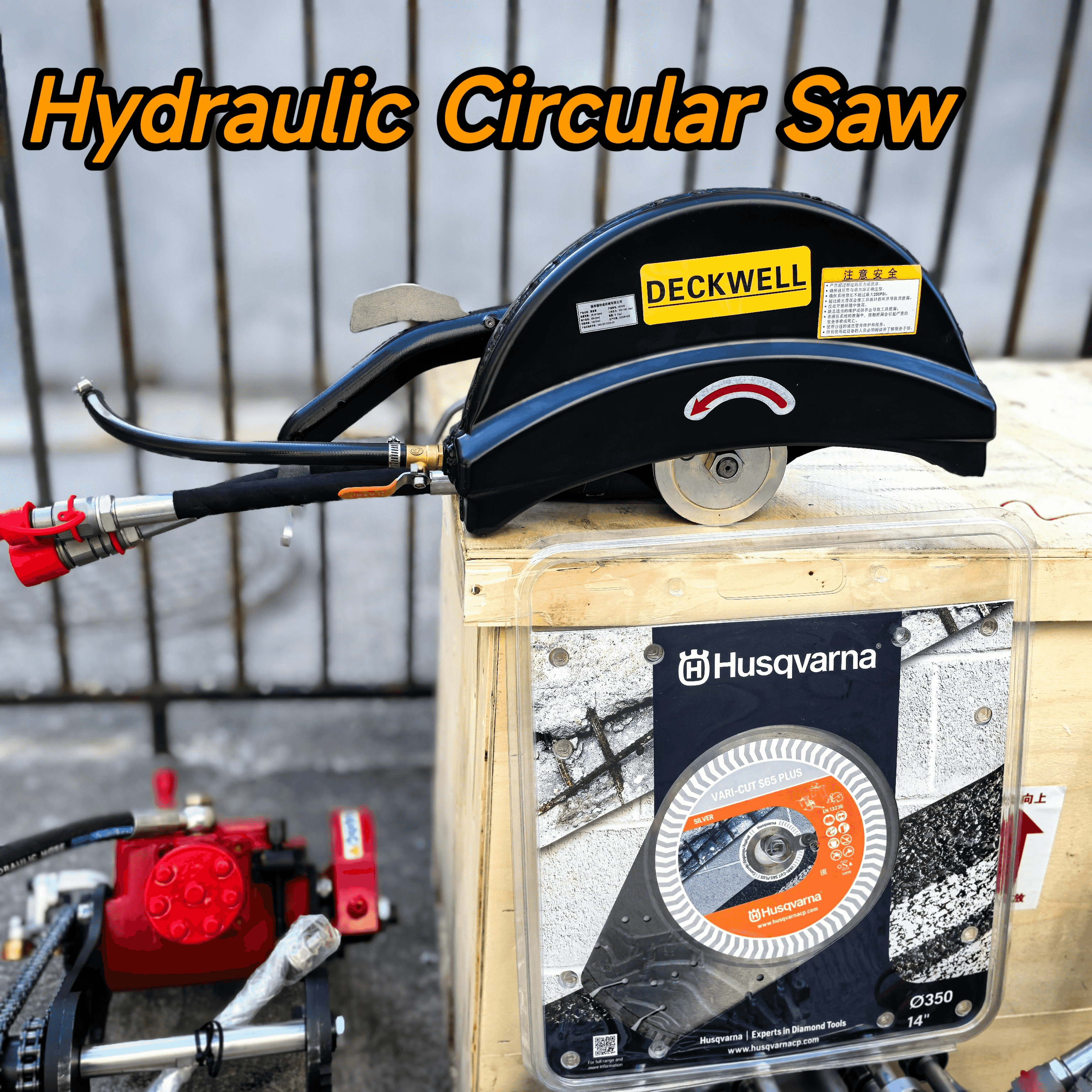
Core Performance of Hydraulic Saws on Reinforced Steel
Cutting speed, heat generation, and thermal dissipation under sustained rebar load
Hydraulic saws maintain optimal cutting speeds of 8–12 inches/minute through #8 rebar—enabled by continuous high-pressure fluid delivery. Blade-to-rebar friction generates intense localized heat exceeding 600°C at the cutting edge. To manage this, advanced thermal management systems employ three integrated strategies:
- Recirculating hydraulic oil cools blades internally during operation
- Diamond-embedded segments dissipate heat 30% faster than standard carbide
- Heat-resistant coatings minimize thermal transfer to drive components
These features prevent premature blade warping and preserve material integrity. Field studies show proper thermal regulation extends cutting chain lifespan by 40% compared to non-cooled systems during extended rebar processing.
Hydraulic pressure stability and torque consistency during intermittent steel engagement
Hydraulic systems maintain pretty steady pressure levels around 180 to 220 bar even when dealing with uneven steel parts something electric saws struggle with because they lose a lot of power when hitting rebar crossings. These hydraulic models only show about 5% variation in pressure thanks to special circuits with accumulators that quickly adjust fluid amounts when there's a sudden change in workload. The result? Smoother switching between cutting through concrete and steel sections, less chance of blades getting stuck, and better overall cuts. Workers who have used these report roughly 27 percent fewer instances where blades get jammed while cutting through complicated rebar arrangements compared to other types of equipment on the market.
| Performance Factor | Hydraulic Advantage |
|---|---|
| Torque consistency | ±3% variation during engagement |
| Pressure recovery time | 0.2–0.5 seconds after load changes |
| Power loss during interruption | Below 8% vs. 15–25% in other systems |
Diamond Chain Technology Optimized for Hydraulic Saw Systems
Segment geometry, bond hardness, and steel-specific wear resistance in hydraulic-powered chains
Diamond chains powered by hydraulics incorporate specially designed segments with angled cutting surfaces that cut down on friction and sticking materials, which helps increase stroke speed and minimizes annoying vibrations during operation. The hardness of the bonding material plays a big role in how well diamonds stay attached. Higher quality sintered metal bonds hold up better when exposed to constant hydraulic pressure over time. Some special bond formulas actually work like timed release capsules for diamonds, gradually revealing new cutting surfaces as older ones wear away. For cutting through steel specifically, adding tungsten carbide reinforcement makes all the difference. Chains without this feature tend to wear out about 70 percent faster according to ASTM tests. Getting this right means these chains last roughly twice as long as regular ones before needing replacement. The thermal properties of the metal matrix help keep segments from bending or warping even after hours of continuous cutting through tough steel materials on job sites.
Hydraulic Saw Effectiveness: Reinforced Concrete vs. Bare Steel Applications
Field performance comparison: ASTM C1707-compliant trials on 60-MPa concrete with #8 rebar versus structural steel sections
Field tests following ASTM C1707 standards show quite different results when hydraulic saws tackle reinforced concrete compared to plain structural steel. When working on 60-MPa concrete slabs containing #8 rebar, operators typically spend about 30 percent more time cutting than they would on similar steel sections. The reason? The saw has to deal with both the abrasive nature of concrete and the sudden impacts from hitting steel rebars. This back-and-forth between materials creates uneven stress on the hydraulic system, which leads to all sorts of operational challenges including...
- 15% higher chain wear (from combined concrete abrasion and steel impact)
- 10% slower average feed rates (partly due to rebar-induced vibration absorption)
- 22°C higher cutting zone temperatures versus bare steel
In contrast, structural steel enables consistent torque delivery and 20% faster cutting speeds under equivalent 40-MPa hydraulic pressure—but demands continuous cooling to avoid work hardening. For optimal results, operators should prioritize hydraulic circuit stability when cutting reinforced concrete and emphasize thermal management for bare steel applications.
Operational Realities: Portability, Power Delivery, and Operator Ergonomics
Weight-to-hydraulic-output ratio and its impact on fatigue during prolonged reinforced steel cutting
When talking about operator stamina during long hours of cutting reinforced steel, the weight versus hydraulic output ratio matters a lot. Good hydraulic saws typically hit around 3 to 5 horsepower per kilogram, which strikes that sweet spot between something workers can carry around and still get enough power for tough jobs. Machines that don't meet this benchmark tend to wear operators out much quicker. We've seen studies showing people lose grip strength significantly faster after only half an hour of continuous rebar cutting with underpowered equipment. The vibrations from poorly balanced tools are another problem, shaking through shoulders and forearms until they're practically numb by lunchtime. That's why modern toolmakers have started incorporating magnesium frames and those special shock absorbing handles into their designs. Less fatigue means better cuts overall. Experienced workers notice about 22% fewer instances where the blade starts wandering off track, plus cleaner, more consistent cuts throughout entire shifts. This becomes especially important when dealing with high tensile steel that needs steady pressure application. These days, top manufacturers consider power density numbers just as important as how thick a bar they can cut.
FAQ Section
What is the optimal cutting speed of hydraulic saws through #8 rebar?
The optimal cutting speed of hydraulic saws through #8 rebar is between 8–12 inches per minute.
How do hydraulic saws manage heat during cutting?
Hydraulic saws manage heat through recirculating hydraulic oil, diamond-embedded segments for faster heat dissipation, and heat-resistant coatings to minimize thermal transfer.
What is the pressure level maintained by hydraulic systems during cutting?
Hydraulic systems typically maintain pressure levels around 180 to 220 bar during cutting operations.
How do hydraulic saws perform in cutting reinforced concrete compared to bare steel?
Hydraulic saws take about 30% more time to cut reinforced concrete due to the combined challenges of concrete abrasion and steel impact, compared to bare steel, which allows for faster cuts with consistent torque delivery.