
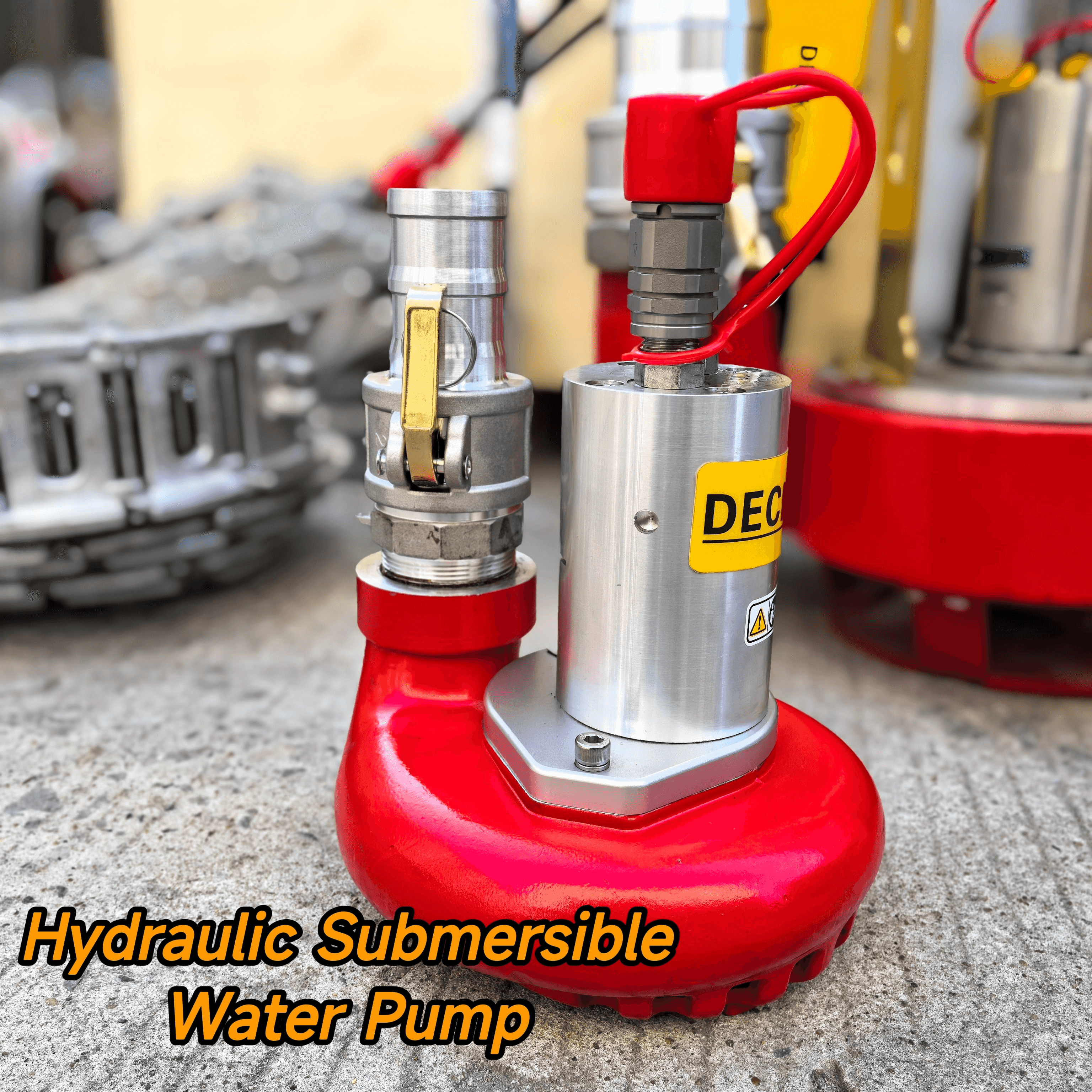
Core Performance Requirements for Submersible Water Pump in Underwater Construction
Sealing Integrity and Pressure Resistance at Depth
Submersible water pumps need to keep their seals completely intact when operating below 25 meters or so, which is about 82 feet deep and puts them under around 2.5 bar of pressure. The best designs combine multiple mechanical seals with extra lip seals to stop dirt and silt from getting inside. This matters a lot since even tiny amounts of contamination can cause the motor to fail completely. Research from real world applications indicates that pumps built for at least 30 meter depths cut down on flooding problems during maintenance work in foundation trenches by roughly two thirds compared to regular models. This makes a huge difference in operations where time lost to repairs costs money.
Thermal Management for Continuous Duty in Abrasive, Sediment-Laden Conditions
When dealing with abrasive sediments, two main problems arise: accelerated wear on equipment components and reduced ability to dissipate heat properly. These issues can really cut short the operational life of machinery. To combat this, good thermal management is essential. Manufacturers often turn to specialized solutions such as impellers designed to shed sand particles, constructed from toughened alloy materials. Motor cooling systems are another critical component, keeping winding temperatures under control even when ambient conditions reach around 40 degrees Celsius, ideally maintaining them below 65 degrees Celsius. Thermal sensors built right into the system provide an extra layer of protection by automatically shutting down operations before any serious damage happens. For those working in environments with high solid content, like slurry dewatering processes, special Class H insulation becomes necessary. This type of insulation offers about 10 degrees Celsius more resistance per mile compared to standard options, which translates to equipment lasting well over 10,000 hours even when running continuously under heavy loads.
Corrosion-Resistant Materials for Saltwater, Brackish, and Chemical Exposure
When dealing with marine settings or places where chemicals are constantly at work, picking the right materials isn't just important—it's absolutely critical. For standard applications, engineers typically go with duplex stainless steel shafts meeting ASTM A890 Grade 5A specs along with bearings that have polymer coatings. Seawater intake systems need something even tougher though—super duplex stainless steel that meets the strict requirements of ISO 12944 C5-M for corrosion protection. In areas where brackish water mixes with sediment, nickel-aluminum bronze stands out because it can handle those harsh conditions with erosion rates sometimes below 0.1 mm per year. And let's not forget about high chromium alloys containing around 28% chromium content. These bad boys offer roughly eight times better protection against pitting compared to regular cast iron when exposed to saltwater environments near tide lines. Many field technicians will tell you this makes all the difference in equipment longevity.
Dewatering Applications: Matching Submersible Water Pump Capacity to Site Demands
High-Flow, Low-Head Scenarios: 50–200 GPM at <30 ft TDH for Trenches and Caissons
For trenches and caissons, quick removal of water from shallow depths is essential, usually needing around 50 to 200 gallons per minute at under 30 feet of total dynamic head. What matters most here isn't how high the pump can lift but how efficiently it moves water. The best pumps for these jobs have large impellers that push water along while handling small sediments without getting clogged. Getting the wrong pump size creates problems both financially and safely. If the pump is too small, dewatering takes 20% to 35% longer than planned, which means workers spend more time exposed to dangerous trench collapses. Big pumps that are overpowered for the job cause damage through cavitation when they cycle too much in low pressure situations. City pipeline work and similar projects where timing is critical depend heavily on matching those TDH and GPM numbers correctly. This ensures workplaces stay dry, meet all required safety standards set by OSHA, and keep construction budgets from spiraling out of control due to delays.
| Factor | Requirement | Impact of Deviation |
|---|---|---|
| Flow Rate | 50–200 GPM | <30 GPM delays timelines; >250 GPM wastes energy and accelerates wear |
| TDH | <30 ft | Higher TDH strains motors and reduces hydraulic efficiency |
| Solids Handling | Up to 1/4" particles | Clogs cut output by 40–60% in sediment-rich sites |
Slurry and Sand Handling: When Solids Transport Requires Specialized Submersible Water Pumps
Solids Tolerance Up to 30% by Volume: Design Features of Submersible Slurry Pumps
Regular submersible water pumps just don't last long when they get mixed up with abrasive slurries. That's why we need special submersible slurry pumps designed specifically for handling around 30% solids in volume. These pumps come with several key features that make them work better in tough conditions. They have these strong open vane impellers that let big particles go through without getting stuck. The parts that touch the slurry are made from chromium alloy which stands up well against sand and gravel wear. There are also mechanical seals built to handle thick mixtures, plus some models include agitators that stir up settled solids before pumping starts. All these improvements mean operators see about a 40% reduction in unexpected downtime during dredging projects or moving tailings around. Plus there's built-in thermal protection so the pump keeps running smoothly even after hours of dealing with those sticky, heat-holding slurries that tend to overheat regular equipment.
Operational Flexibility: Portability, Deployment Speed, and Smart Controls for Dynamic Sites
Weight, Cable Length, Integrated Float Switches, and Plug-and-Play Readiness
The lightweight nature of these units makes them easy for workers to move around on those tricky construction sites where the ground is often muddy, tight spaces, or just plain uneven underwater. We've extended the power cables to at least 100 feet long so there's no hassle about moving generators when working down deep in excavations. Float switches built right into the system kick in automatically once water reaches certain levels, which is really important during overnight shifts when nobody's watching or when draining water from cofferdams. Plus, the plug and play connections for both hydraulic and electric systems cut down setup time dramatically compared to old-fashioned manual setups. This means crews can react fast when water levels start climbing or there's a sudden rush of water coming in, all while keeping other work going as normal.
FAQ
What is the importance of sealing integrity in submersible water pumps?
Sealing integrity is crucial to prevent dirt and silt from entering the pump, which can cause motor failure. High-quality seals help pumps operate effectively at depths of 25 meters or more.
How do submersible pumps manage thermal conditions?
Submersible pumps manage thermal conditions using toughened alloy materials for impellers and motor cooling systems to keep winding temperatures under control, even in abrasive and high ambient temperature conditions.
What materials are best suited for corrosion resistance in marine pumps?
Materials like duplex stainless steel, super duplex stainless steel, and nickel-aluminum bronze are preferred for marine applications due to their excellent corrosion resistance.
Why is proper pump sizing important in dewatering applications?
Proper sizing ensures efficient water removal and safety. Oversized pumps can waste energy and cause cavitation damage, while undersized pumps can delay timelines and increase exposure to risks.
What features make submersible slurry pumps ideal for handling solids?
Submersible slurry pumps are equipped with open vane impellers, chromium alloy components, and agitators. They can handle up to 30% solids by volume and offer thermal protection for prolonged use.
How does operational flexibility enhance pump performance in dynamic sites?
Operational flexibility, such as lightweight design, extended cable length, and integrated float switches, facilitates rapid deployment and automatic operation, especially in dynamic or complex environments.
Table of Contents
- Core Performance Requirements for Submersible Water Pump in Underwater Construction
- Dewatering Applications: Matching Submersible Water Pump Capacity to Site Demands
- Slurry and Sand Handling: When Solids Transport Requires Specialized Submersible Water Pumps
- Operational Flexibility: Portability, Deployment Speed, and Smart Controls for Dynamic Sites
-
FAQ
- What is the importance of sealing integrity in submersible water pumps?
- How do submersible pumps manage thermal conditions?
- What materials are best suited for corrosion resistance in marine pumps?
- Why is proper pump sizing important in dewatering applications?
- What features make submersible slurry pumps ideal for handling solids?
- How does operational flexibility enhance pump performance in dynamic sites?