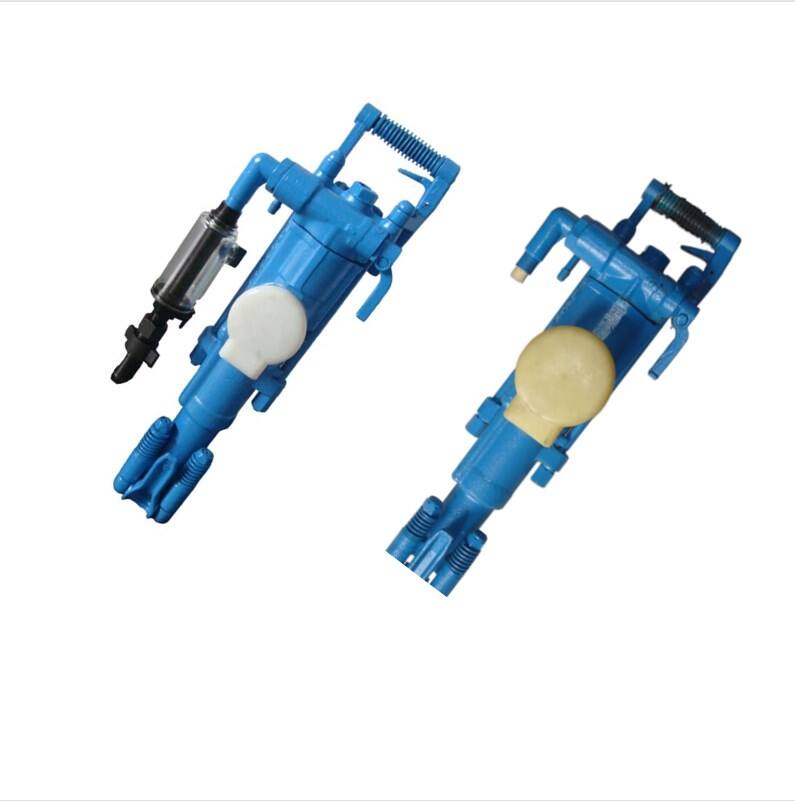
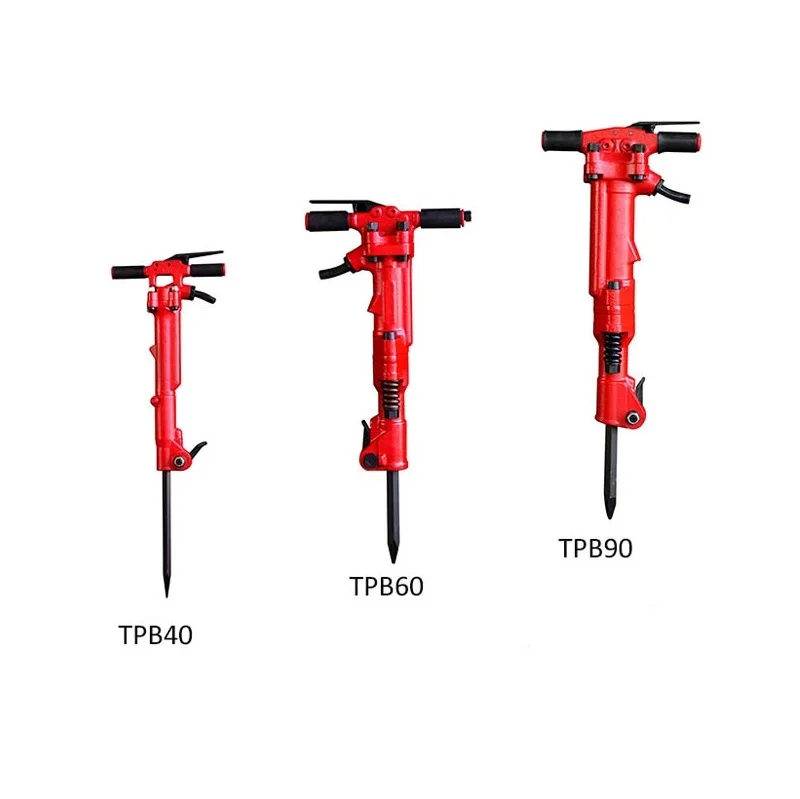
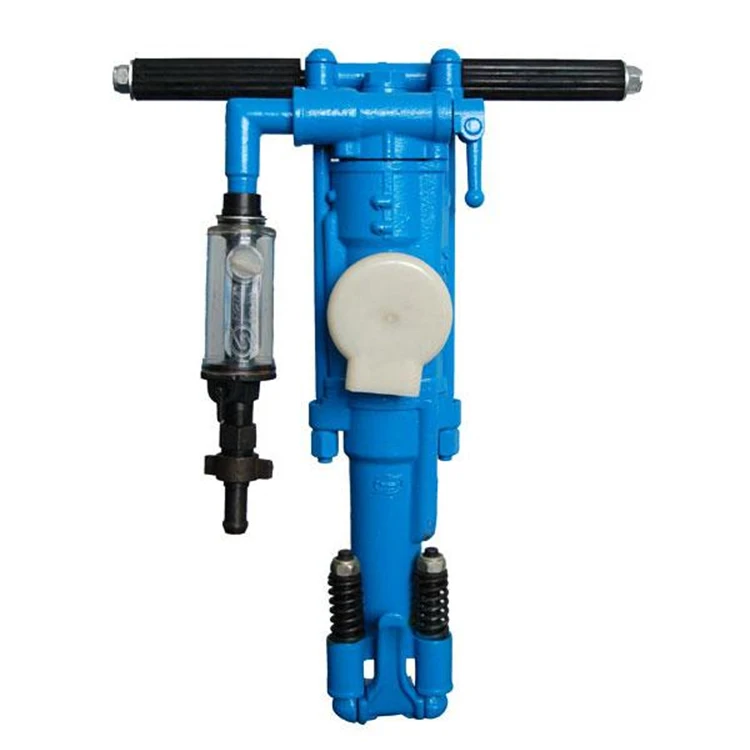
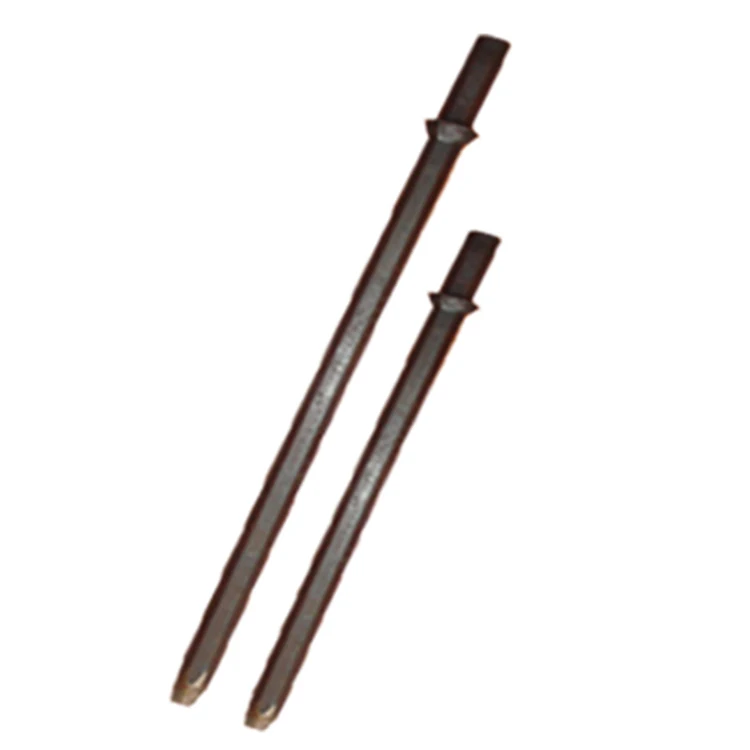
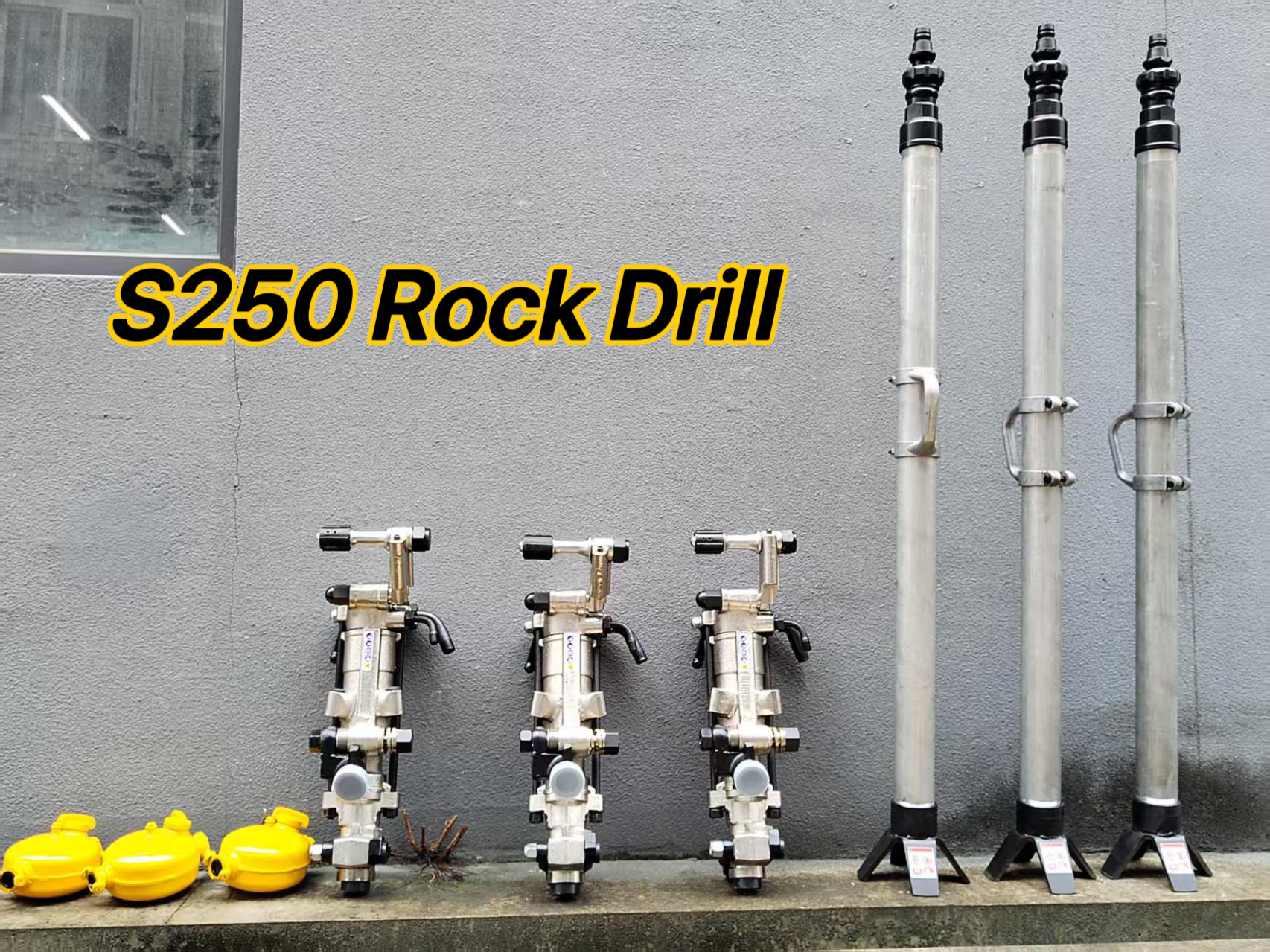
Air leg rock drills are pivotal in modern drilling operations, offering a balanced solution between manual flexibility and mechanized efficiency for rock excavation tasks. These tools utilize compressed air to activate a hammering action that fractures rock, while the integrated air leg applies downward force to advance the drill string seamlessly. The air leg component, typically a telescopic cylinder, not only provides stability but also allows the operator to control penetration rate with minimal physical exertion. This design is particularly beneficial in vertical or overhead drilling, where gravity-assisted methods are impractical. Constructed from corrosion-resistant materials, the drill and leg assembly withstand harsh conditions, including high humidity and abrasive dust. In the mining sector, air leg drills are essential for creating blast holes in underground ore bodies, where their precision supports controlled fragmentation and ore recovery. For instance, in a zinc mine, operators reported a 20% improvement in drill footage per shift compared to handheld units, owing to the reduced vibration and operator fatigue. In tunneling projects, such as subway construction, these drills enable accurate drilling for explosive charges or rock reinforcement, adhering to strict alignment tolerances. Another application lies in quarrying, where they are used for secondary breakage or drilling drainage holes to manage water infiltration. A case study from a dam construction site illustrated how air leg drills facilitated rock anchoring for spillway foundations, ensuring long-term stability under hydraulic pressure. The equipment's portability makes it ideal for remote sites, such as mountain road building, where large rigs are logistically challenging. When evaluating air leg rock drills, factors like weight, noise output, and compatibility with existing air supply systems must be considered to match job site constraints. Maintenance protocols involve checking for air leaks, greasing the leg's sliding surfaces, and sharpening or replacing bits to maintain peak performance. For operations in sensitive environments, variants with reduced emissions and noise-dampening features are available to comply with regulatory standards. To explore how our solutions can enhance your drilling efficiency, please contact us for a comprehensive product overview and scenario-based guidance.