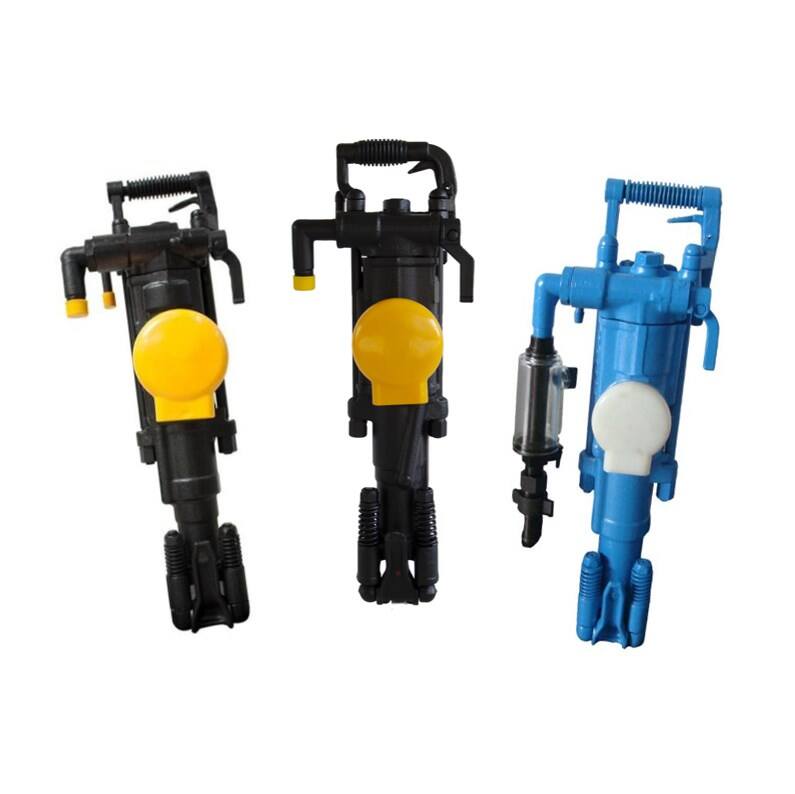
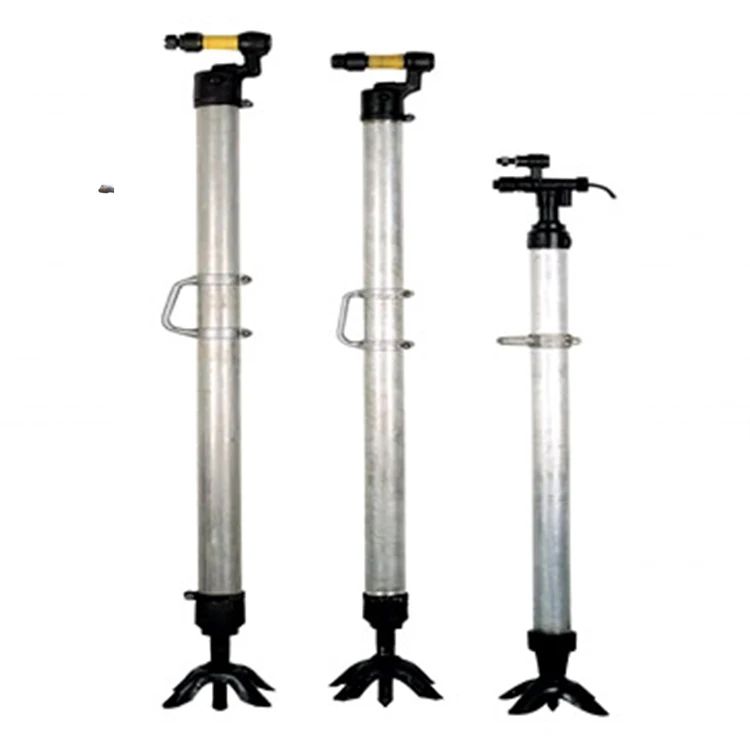
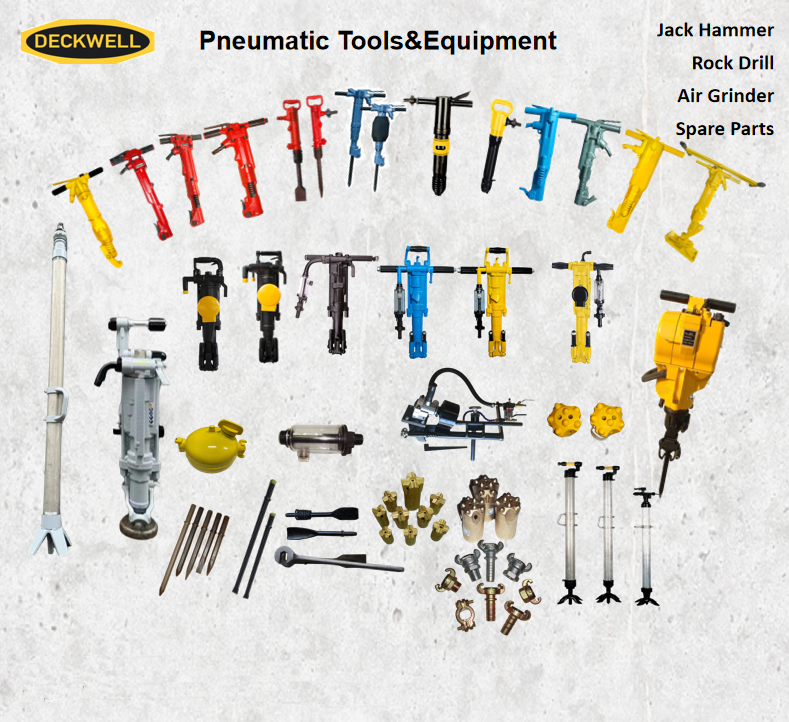
An air leg rock drill offers a balanced approach to rock drilling by combining percussive force with mechanical feed, resulting in higher efficiency and reduced physical demand on operators. The pneumatic drill component generates impact energy through a reciprocating mechanism, transmitting it to the drill bit, while the air leg applies steady thrust to maintain drilling progress. This setup is particularly beneficial in vertical or inclined drilling, where the leg counteracts gravity and reduces bit bounce. The equipment is built for rugged use, with features like heat-treated components and ergonomic handles to enhance durability and user safety. In mining, air leg drills are applied in scope drilling, exploration, and maintenance tasks. For instance, in an iron ore mine, their use for blast hole drilling in narrow stopes increased productivity by 20% by enabling faster hole completion. In construction, they are used for drilling rock sockets for micropiles or for soil investigation in rocky ground. A case study from a bridge foundation project demonstrated a 25% improvement in hole straightness with air leg drills, critical for load-bearing capacity. Railway applications include drilling for track stabilization in tunnels or for signal foundation in mountainous regions. In disaster response, such as earthquake debris clearance, the drills help create openings through rubble or rock piles. Key performance indicators include impact power (in joules), air consumption rate, and leg extension speed, which influence drilling economy and speed. Maintenance routines should include checking for air leaks, cleaning the drill's exhaust ports, and replacing worn leg pins to avoid failures. For environments with high dust levels, filters and dust suppression kits are available to protect the mechanism. To inquire about custom solutions or pricing, please contact our team for personalized support and product demonstrations.