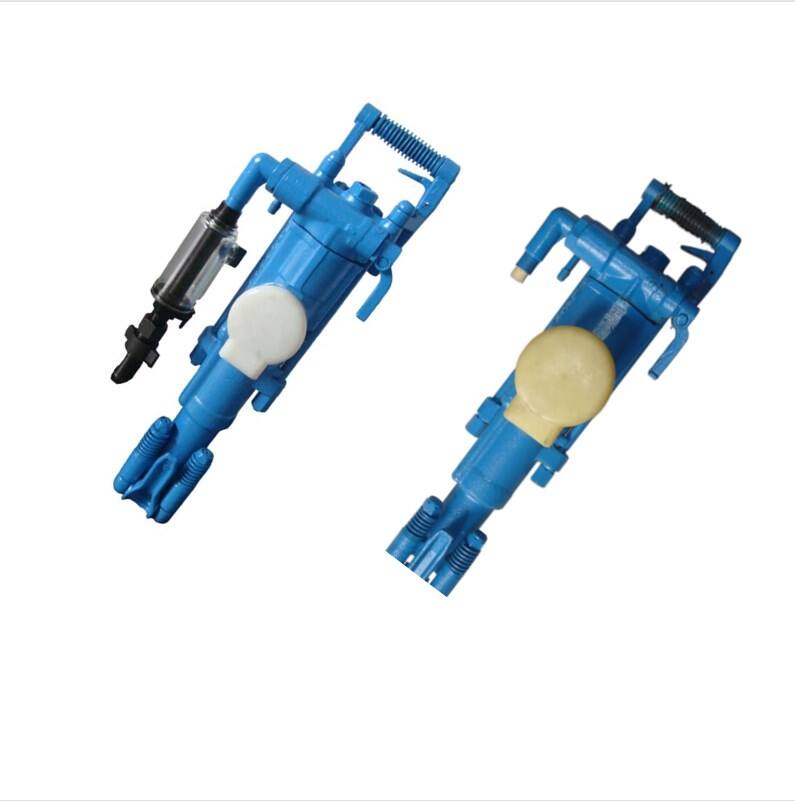
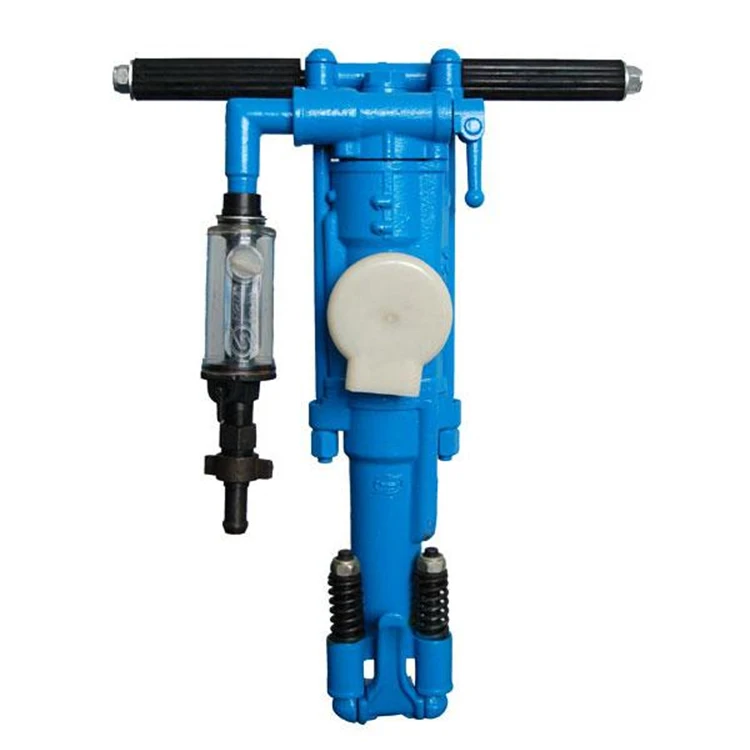
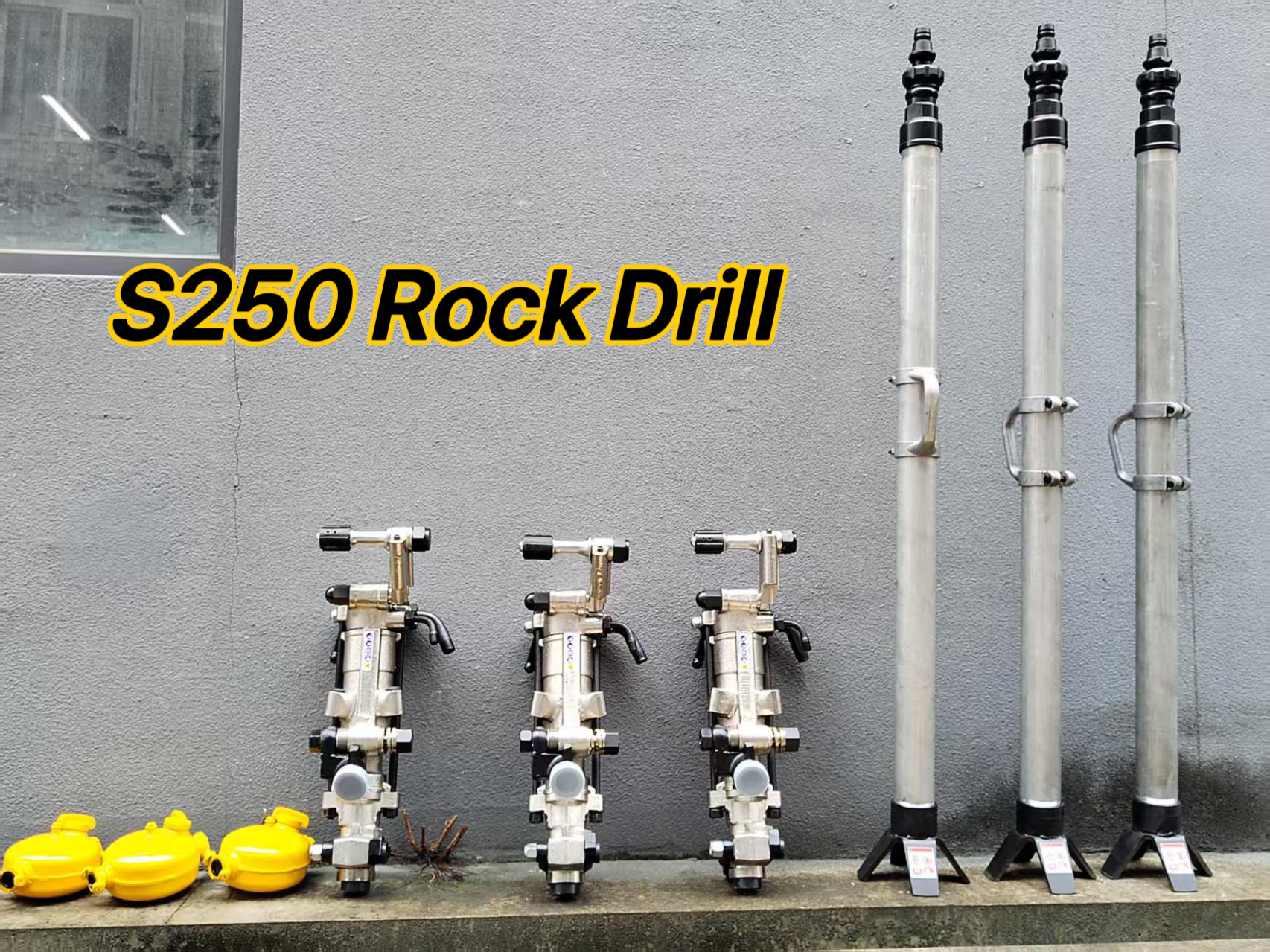
The air leg rock drill is a key tool in rock drilling operations, offering a blend of impact force and mechanical feed to achieve high productivity in constrained environments. The pneumatic drill mechanism converts air pressure into mechanical blows through a piston system, transmitting energy to the drill bit, while the air leg applies steady thrust to maintain drilling progress. This design reduces operator effort and improves hole straightness, making it suitable for applications like mining and construction. The tool is built with durable materials and features such as anti-vibration handles to enhance user comfort. In mining, air leg drills are employed for drilling blast holes in narrow stopes or for exploration drilling in rugged terrain. For instance, in a diamond mine, the use of air leg drills for development drilling resulted in a 22% increase in daily advance due to consistent feed pressure. In tunneling, they are used for drilling relief holes or for rock bolting in unstable ground. A case study from a hydro tunnel project highlighted a 35% reduction in drilling time per meter with air leg drills, attributed to their efficient feed system. Construction applications include drilling for rock anchors in retaining walls or for foundation holes in bedrock. Municipal uses involve drilling for blasting in road widening or for utility installations. In emergency services, the drills can be deployed to create access through rock barriers in rescue operations. Key parameters for selection include impact power, leg stroke length, and air requirements, which should align with the project's needs. Maintenance involves checking the drill's valve for wear, inspecting the leg for damage, and using proper lubricants. For harsh conditions, reinforced models are available to extend service life. To learn more about our air leg rock drill solutions, please contact us for technical data and application examples.