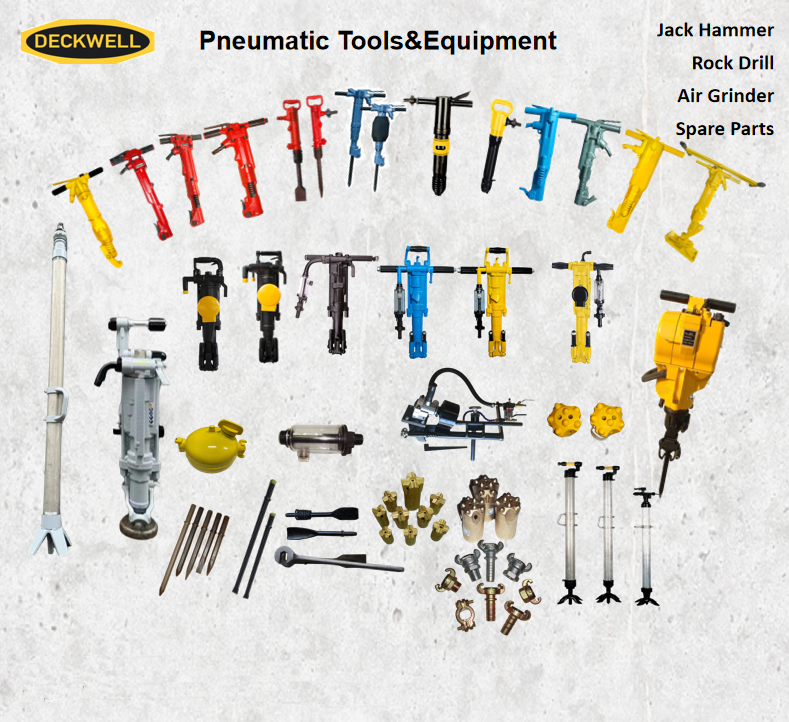
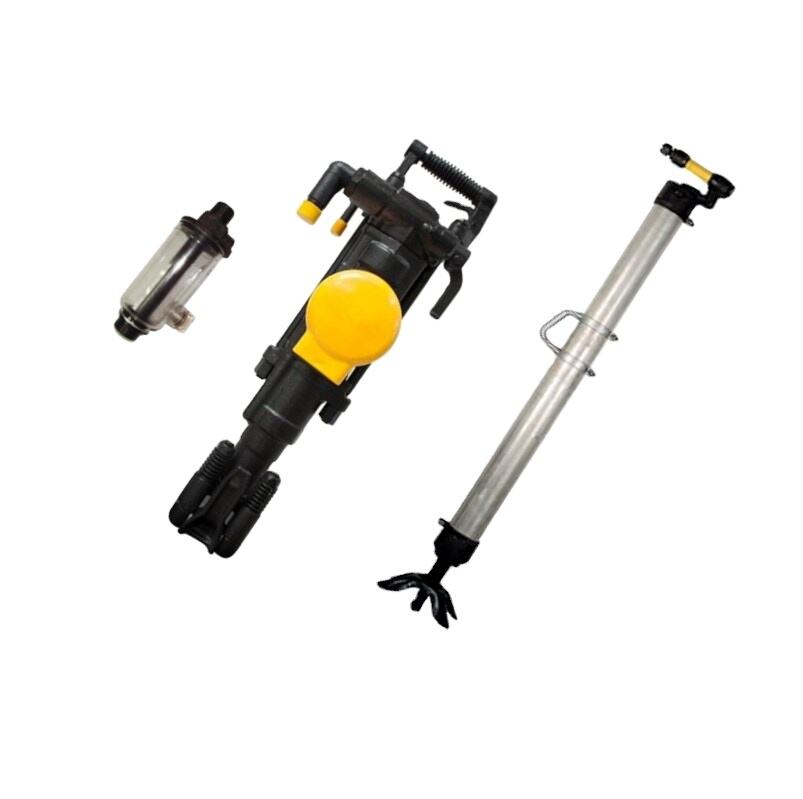
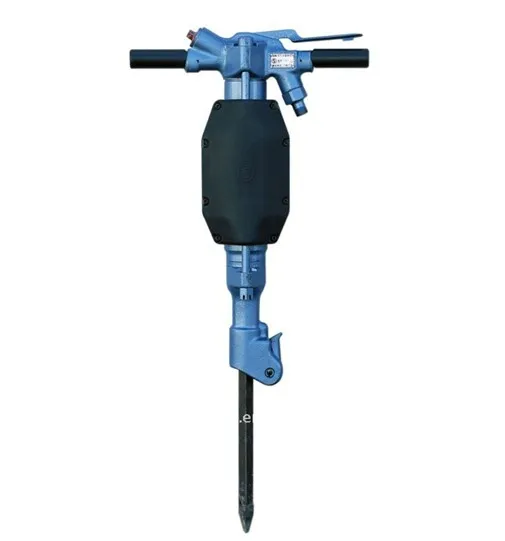
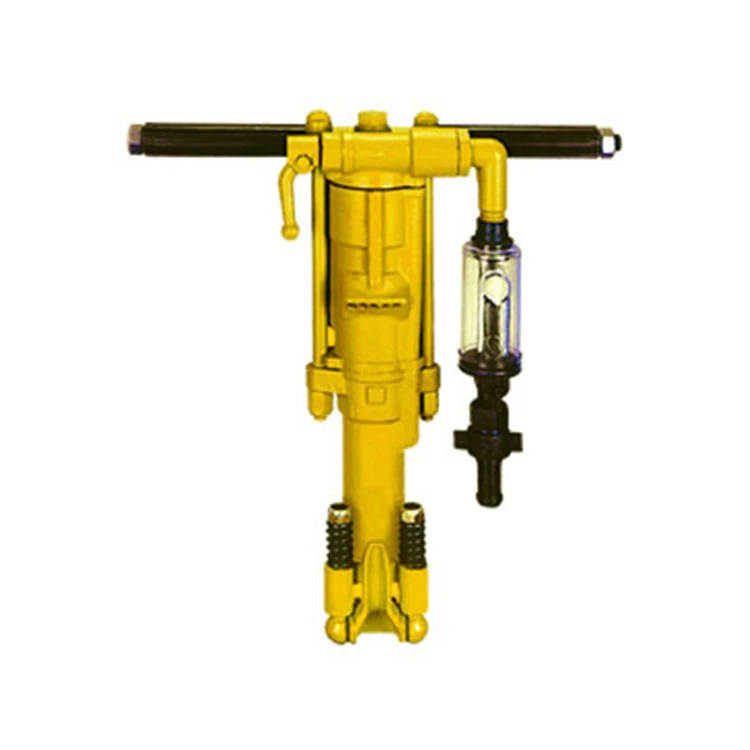
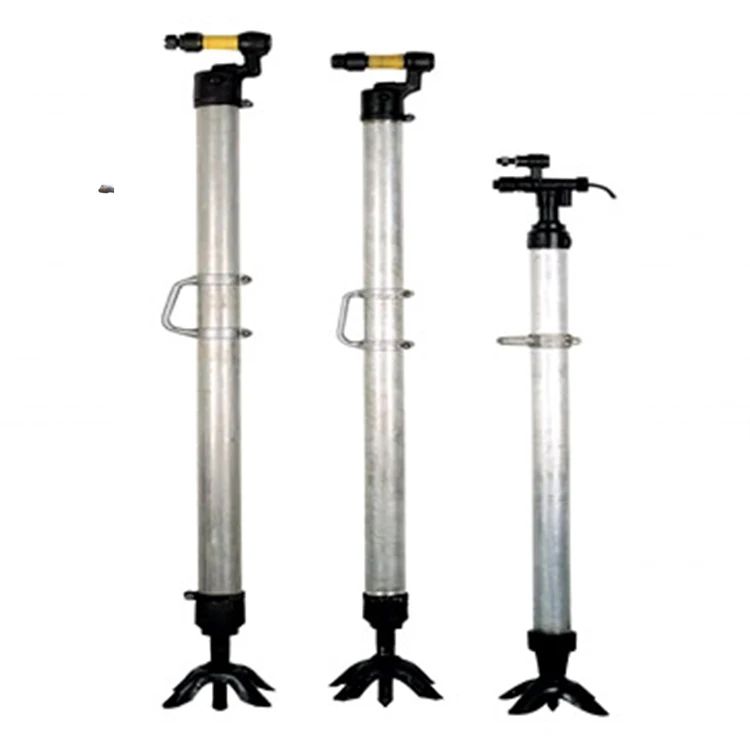
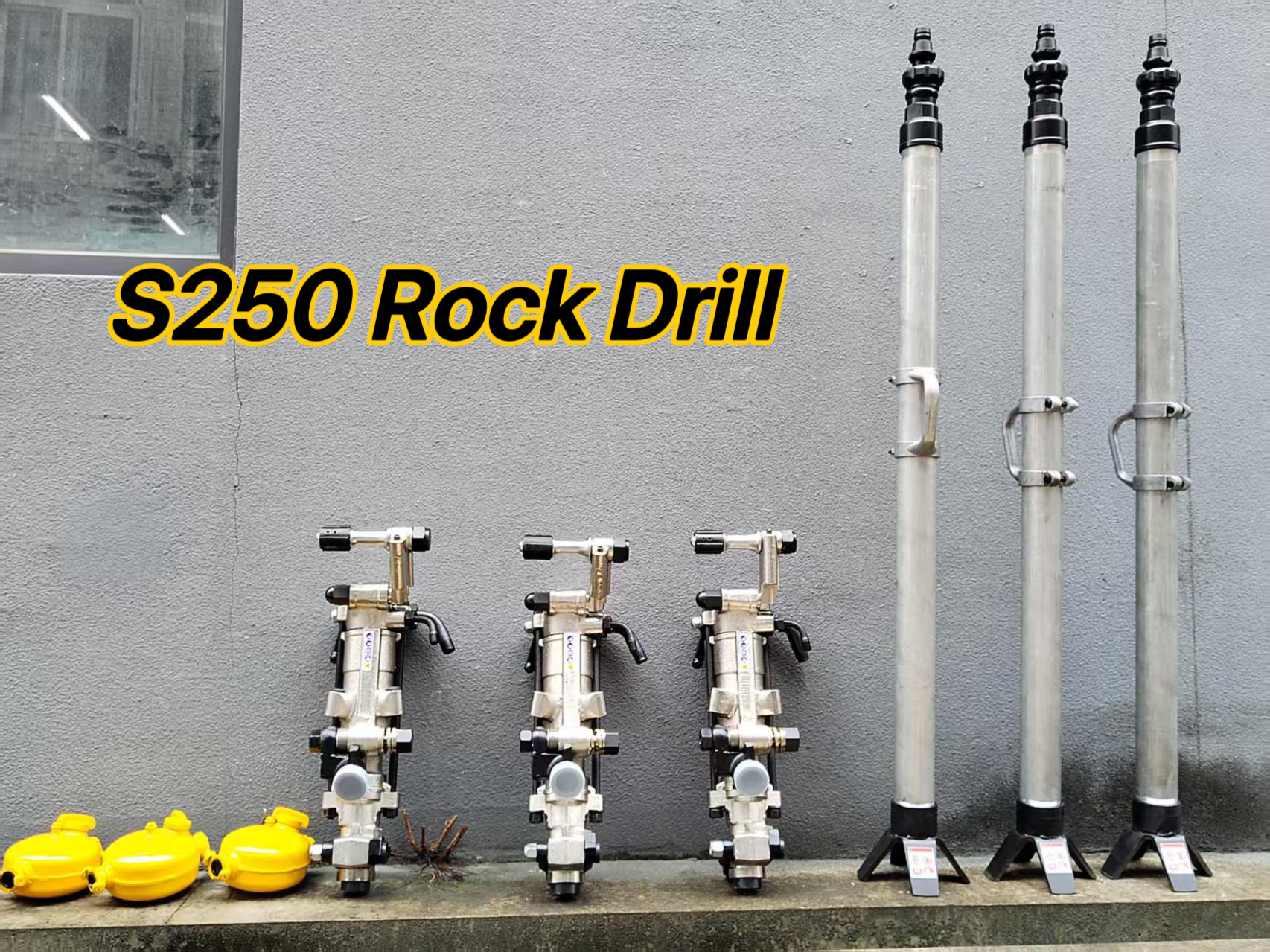
Air leg rock drills are engineered for high-performance rock drilling in confined spaces, combining a pneumatic hammer with a feed leg to optimize force application and operator control. The drill operates by using compressed air to activate a piston that strikes the drill steel, while the air leg provides thrust to keep the bit engaged with the rock, improving penetration rates and hole quality. This design is particularly effective in hard rock mining, where sustained impact and feed are essential. The tool's ergonomic features, such as padded handles and balanced weight, reduce strain during extended use. In mining, air leg drills are used for drilling blast holes in development ends or for rock bolting in roof support. For instance, in a lead-zinc mine, the implementation of air leg drills for production drilling led to a 15% reduction in energy costs per hole due to efficient air usage. In tunneling, they are employed for drilling relief holes in rock faces or for installing ground support systems. A case study from a water tunnel project highlighted a 28% gain in drilling accuracy for grout holes, critical for sealing water leaks. Construction applications include drilling for rock sockets in building foundations or for soil nailing in excavations. Railway sector uses involve drilling for track bed stabilization in rock cuts or for signal mast foundations. In emergency situations, such as rock collapse in mines, the drills can create access holes for rescue teams. Key parameters for selection include impact power, leg stroke length, and air consumption, which influence overall efficiency. Maintenance involves checking the drill's valve system, inspecting leg hoses for cracks, and replacing worn components promptly. For dusty environments, air dryers and filters prevent internal damage. To explore how our air leg rock drills can enhance your operations, please contact us for a product catalog and expert guidance.